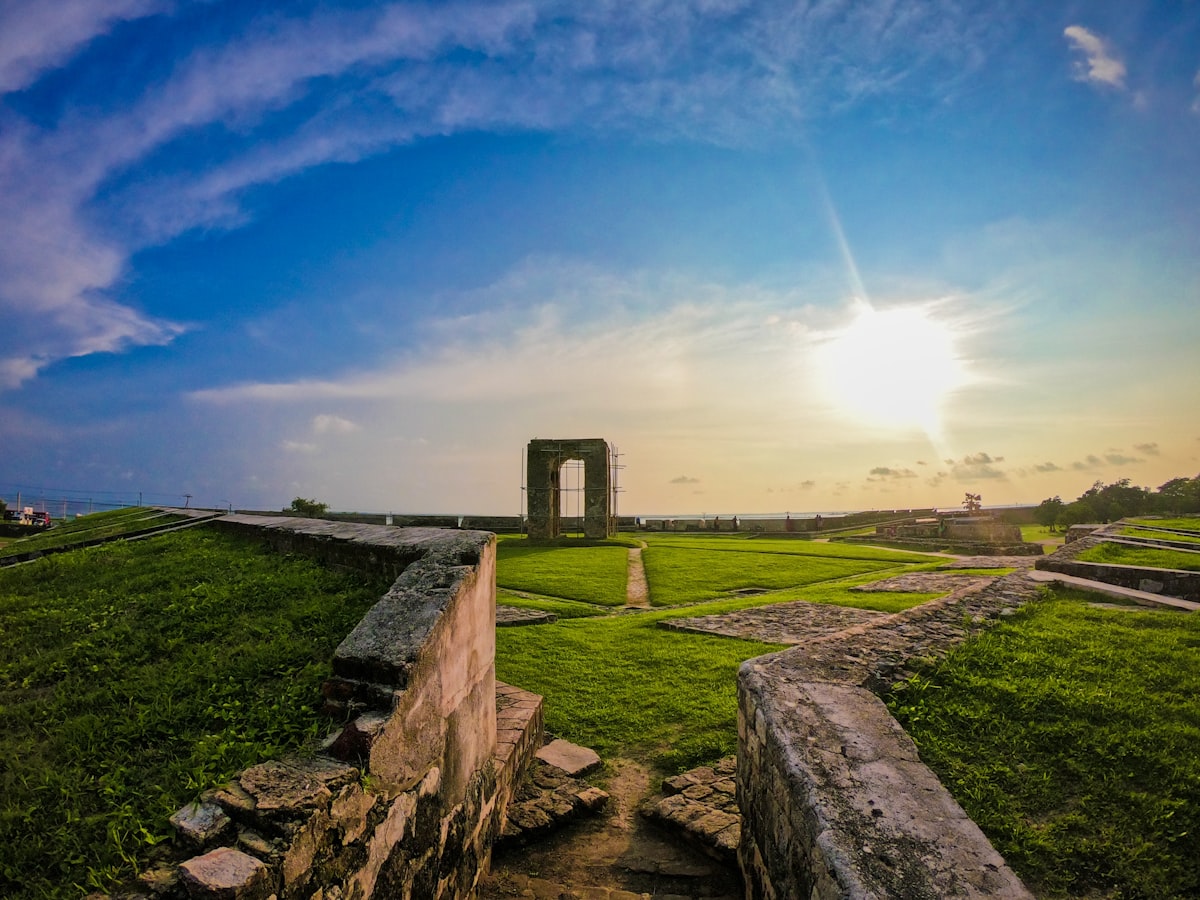
Jaffna
Best Time to Visit
Jaffna is best visited from January to September, avoiding the northeast monsoon which brings heavy rains from October to December. The annual Nallur Festival in July-August is a spectacular cultural experience.
Overview
Jaffna, the cultural capital of Sri Lanka’s Tamil community, is a destination unlike anywhere else on the island. Situated on the Jaffna Peninsula at the northernmost tip of the country, this city offers a strikingly different experience from the Sinhalese south — from its towering Hindu gopuram temples and Dutch colonial architecture to its fiery cuisine and resilient spirit. Having emerged from decades of civil conflict, Jaffna is experiencing a renaissance, welcoming visitors to discover a heritage and way of life that remained largely inaccessible for a generation.
What to See
Nallur Kandaswamy Kovil
The most important Hindu temple in Jaffna, Nallur Kandaswamy Kovil is dedicated to Lord Murugan (Skanda) and is a masterpiece of Dravidian architecture. Its towering golden gopuram is adorned with hundreds of colourful sculpted deities. The temple comes alive during the annual Nallur Festival (July-August), a 25-day celebration of music, dance, and devotion that draws thousands of pilgrims. Visitors should dress modestly and remove footwear before entering.
Jaffna Fort
Originally built by the Portuguese in 1619 and substantially expanded by the Dutch, Jaffna Fort is one of the largest colonial fortifications in Asia. Its star-shaped ramparts enclose a vast area overlooking the lagoon. Heavily damaged during the civil war, the fort has been partially restored and offers atmospheric walks along its massive walls with sweeping views of the peninsula.
Jaffna Public Library
A poignant symbol of resilience, the Jaffna Public Library was one of the largest libraries in Asia before it was destroyed by fire in 1981 during ethnic tensions. Its painstaking reconstruction in Mughal-inspired white architecture is a testament to the community’s devotion to knowledge and culture. The library now houses over 100,000 volumes.
The Islands
Off the coast of the peninsula lie several captivating islands accessible by causeway or ferry. Delft Island (Neduntivu) is the most remote, known for its wild ponies, baobab trees, and a ruined Dutch fort. Nainativu hosts the revered Nagadipa Purana Viharaya, one of the most sacred Buddhist temples in Sri Lanka, and the Naga Pooshani Amman Kovil, an important Hindu temple — a beautiful example of the island’s interfaith heritage.
Jaffna Cuisine
No visit to Jaffna is complete without savouring its distinctive cuisine. The legendary Jaffna crab curry — rich, fiery, and prepared with freshly ground spices — is reason enough to travel north. Other must-try dishes include mutton kothu roti, dosai with an array of chutneys, seafood specialities, and palmyra-based sweets. Fresh toddy (palm wine) tapped from palmyra trees is the local tipple of choice.
Jaffna Market
The bustling Jaffna Market is a sensory overload of fresh produce, spices, dried fish, flowers, and household goods. It offers an authentic glimpse into daily life on the peninsula and is an excellent place to pick up palmyra jaggery and local snacks.
Tips for Visitors
- Allow at least two days: Jaffna’s spread-out attractions and the offshore islands require more than a rushed day trip.
- Respect temple customs: At Hindu kovils, remove footwear, dress modestly (covering shoulders and knees), and ask permission before photographing ceremonies.
- Try the local food: Jaffna cuisine is genuinely distinct from the rest of Sri Lanka. Seek out small local restaurants rather than hotel dining rooms.
- Hire a bicycle or scooter: The flat peninsula is ideal for cycling and the best way to explore at your own pace.
- Island logistics: Ferries to Nainativu and Delft run from Kurikadduwan Jetty. Services can be affected by weather, so check schedules in advance.
- Be sensitive: The region was deeply affected by the civil war. Approach conversations about the conflict with respect and empathy.
- Sun protection is essential: The northern peninsula is hot and dry with little shade between sites.
Photo Gallery
How to Get There
By Train
LKR 600 - LKR 2,500The scenic Northern Line was reopened after the civil war. First and second class reserved seats are recommended. Book in advance during festival season.
By Bus
LKR 700 - LKR 2,800Air-conditioned intercity buses are more comfortable for the long journey. Night buses also available.
Private Vehicle
LKR 20,000 - LKR 35,000The A9 highway is in good condition. Can break the journey with stops at Anuradhapura or Dambulla.
By Air
LKR 15,000 - LKR 35,000Limited flights available. Book well in advance. A tuk-tuk or taxi is needed from the airport into Jaffna town.