Hikkaduwa Beach
Best Time to Visit
The dry season from November to April brings calm seas, warm sunshine, and the best conditions for snorkelling, diving, and surfing. The southwest monsoon from May to September creates rough seas, though experienced surfers still find rideable waves.
Overview
Hikkaduwa is one of Sri Lanka’s original beach destinations, a sun-soaked stretch of golden coastline that has been drawing surfers, divers, and sun-seekers since the 1970s. Located on the southwestern coast roughly 100 kilometres south of Colombo, it offers a potent combination of natural beauty and lively atmosphere. The town’s main claim to fame is the Hikkaduwa Coral Sanctuary — a protected marine area where colourful coral formations and tropical fish thrive in warm, shallow water. Add world-class surf breaks, regular sea turtle sightings, and a vibrant beachside dining and nightlife scene, and it is easy to see why Hikkaduwa remains one of the island’s most popular coastal getaways.
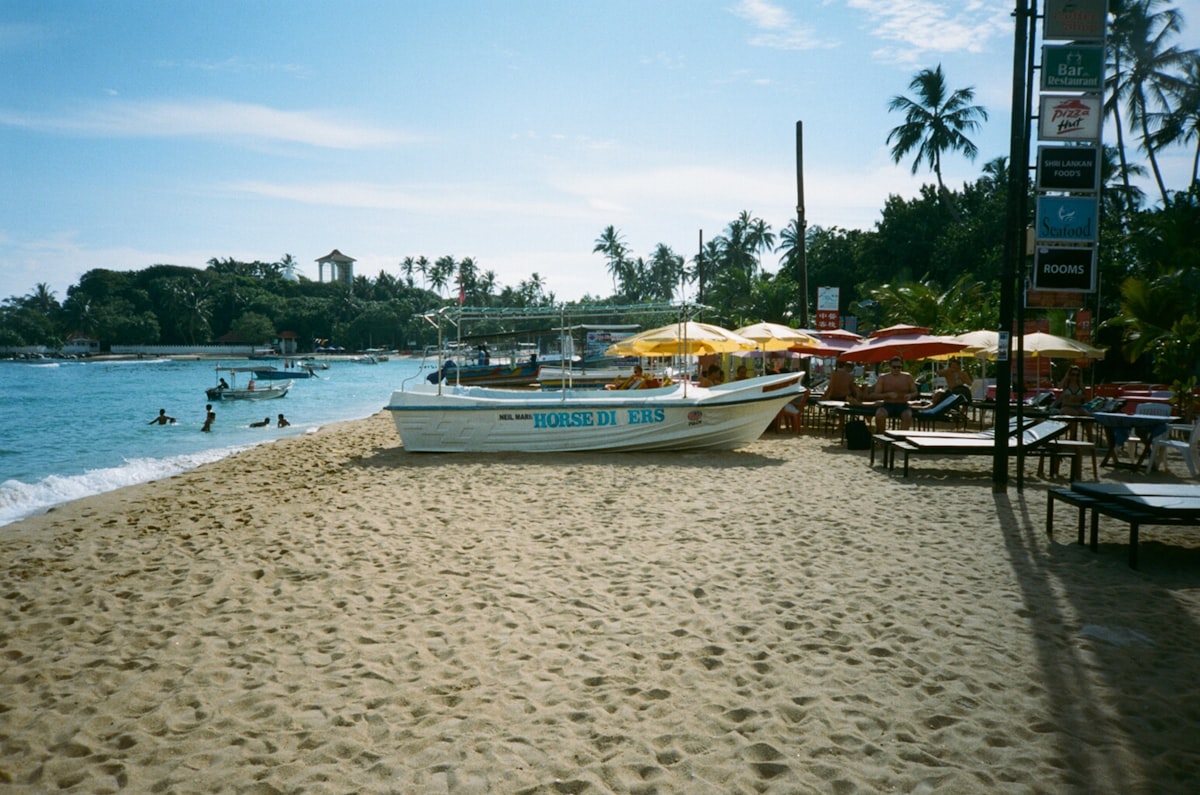
The beach stretches for several kilometres, with distinct zones catering to different interests. The northern end around Narigama is the surfers’ haven, catching consistent swells from the Indian Ocean. The central strip is the liveliest, packed with restaurants, bars, and guest houses. The southern end near the railway station is calmer, with the coral sanctuary accessible by glass-bottom boat or simply wading in with a snorkel.
What to See
Hikkaduwa Coral Sanctuary
Established in 1979, the Hikkaduwa National Park (commonly called the Coral Sanctuary) protects approximately 100 hectares of reef and coastal habitat. The reef supports over 60 species of hard coral and hundreds of species of reef fish, making it one of the most accessible snorkelling spots in the country. Glass-bottom boats are available for those who prefer to stay dry. While the reef has suffered from bleaching events and boat damage in places, conservation efforts are underway and the diversity remains impressive.
Surfing at Narigama
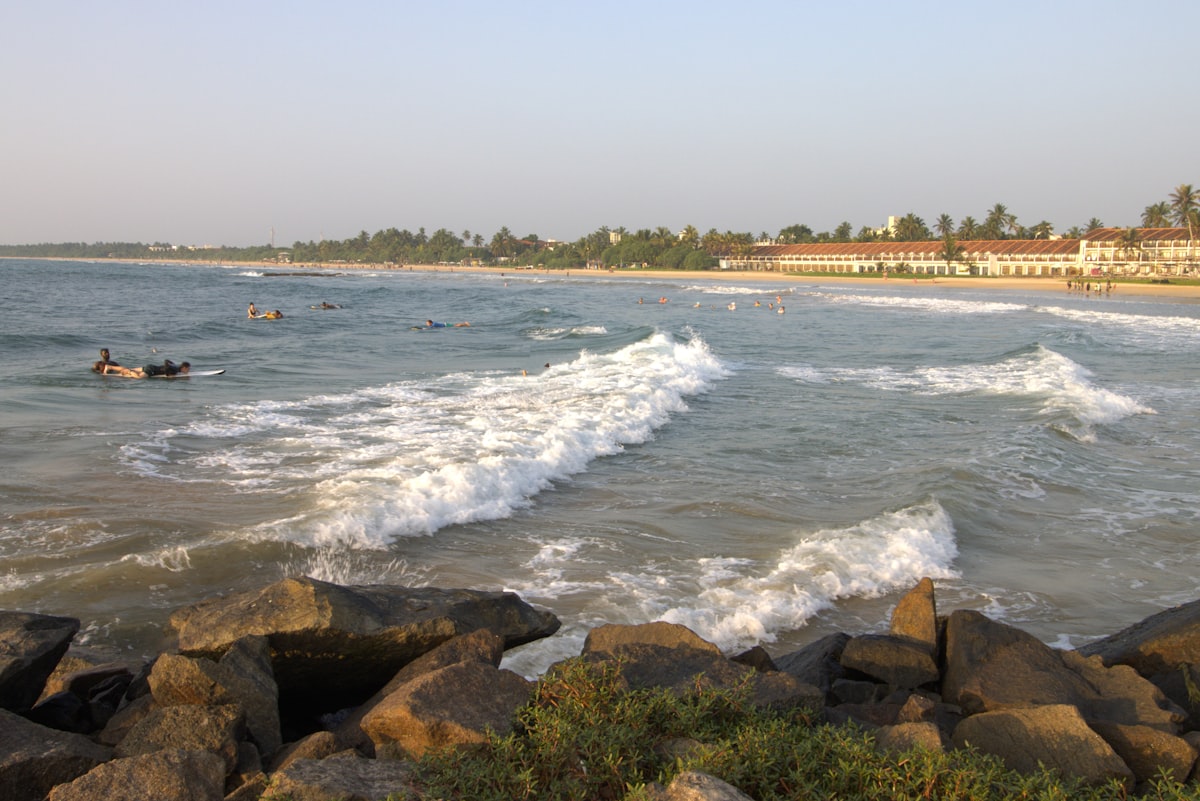
The beach break at Narigama, at the northern end of Hikkaduwa, is one of Sri Lanka’s most popular surf spots. It produces consistent left and right breaks suitable for beginners and intermediate surfers, with bigger swells attracting more experienced riders during the monsoon months. Board hire and surf lessons are widely available from beachfront shops.
Sea Turtle Encounters
Green sea turtles and hawksbill turtles are frequently seen in the waters around Hikkaduwa, particularly near the coral sanctuary. They often swim close to shore and have become accustomed to human presence. The nearby Kosgoda Sea Turtle Conservation Project, just 15 kilometres north, offers a chance to learn about turtle conservation and see hatchlings.
Seenigama Temple
Just offshore on a tiny rocky islet, the Seenigama Devale is a striking Hindu-Buddhist temple accessible only by boat. The temple is dedicated to the deity Devol Deviyo and is a local pilgrimage site. The colourful shrine rising from the ocean makes for an iconic photograph.
Tsunami Honganji Vihara
The Tsunami Photo Museum and the partially ruined Peraliya Buddha statue stand as memorials to the devastating 2004 Indian Ocean tsunami, which struck this coast with tremendous force. The museum contains photographs and personal accounts from the disaster and serves as a poignant reminder of the sea’s power.
Tips for Visitors
- Best snorkelling time: Visit the coral sanctuary in the morning when the water is clearest and boat traffic is lightest. November to April offers the calmest conditions.
- Reef protection: Do not touch or stand on coral, and avoid feeding the fish. Use reef-safe sunscreen to help protect the marine environment.
- Surf season: The best surf conditions are from November to April, though experienced surfers ride the monsoon swells from May to September.
- Combine with Galle: Hikkaduwa is just 20 minutes north of Galle Fort by train or tuk-tuk — a combined visit is easy.
- Take the train: The coastal railway from Colombo to Hikkaduwa is one of Sri Lanka’s most scenic journeys and far more enjoyable than the road.
- Evening scene: Hikkaduwa has the liveliest beach nightlife on the south coast, with restaurants serving fresh seafood, beach bars, and regular music events.
- Watch for currents: Despite the reef protection, currents can be strong, especially during the monsoon. Swim in the areas where other swimmers are present.
- Accommodation: Options range from budget surf hostels to boutique beachfront hotels. The Narigama end tends to be more laid-back, while the central strip is busier.
Photo Gallery
How to Get There
By Train
LKR 200 - LKR 700The coastal train hugs the shoreline for much of the journey — sit on the ocean side for stunning views. Express trains are faster but stop less frequently.
By Bus
LKR 250 - LKR 700Air-conditioned highway coaches via the Southern Expressway are fastest. Regular buses along the coastal road take longer but stop right in town.
Private Vehicle
LKR 8,000 - LKR 14,000Expressway toll applies. Parking is available at most hotels and along the main road.