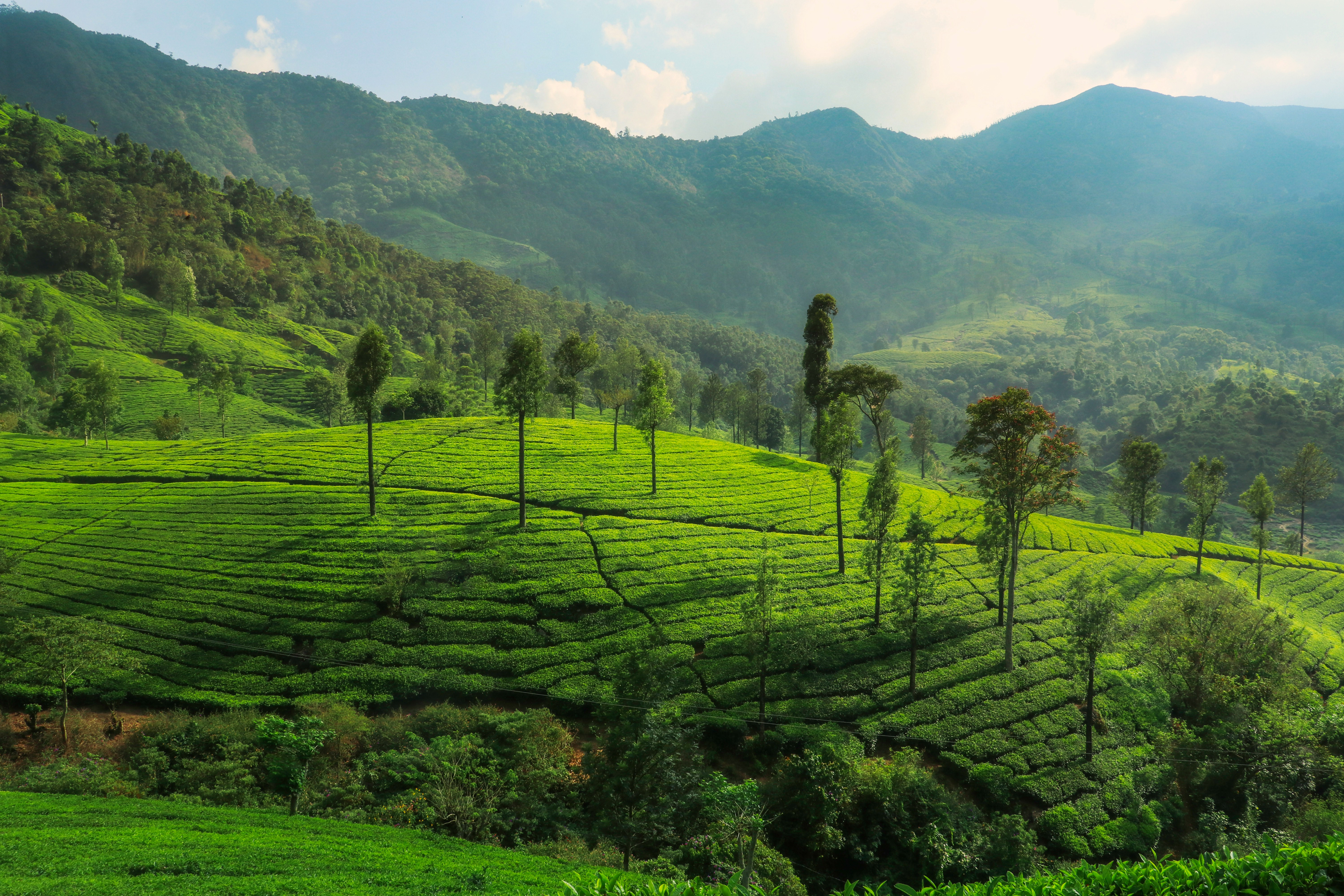
The Pekoe Trail
Sri Lanka's premier long-distance walking route — 322 km through emerald tea estates, cloud forests, and highland villages from the heart of tea country to the cultural capital.
About the Trail
The Pekoe Trail is Sri Lanka's first and only officially designated long-distance hiking route, winding 322 kilometres through the island's spectacular central highlands. Launched in 2021, the trail takes its name from the prized Orange Pekoe grade of Ceylon tea — a nod to the vast plantations that define the landscape it crosses.
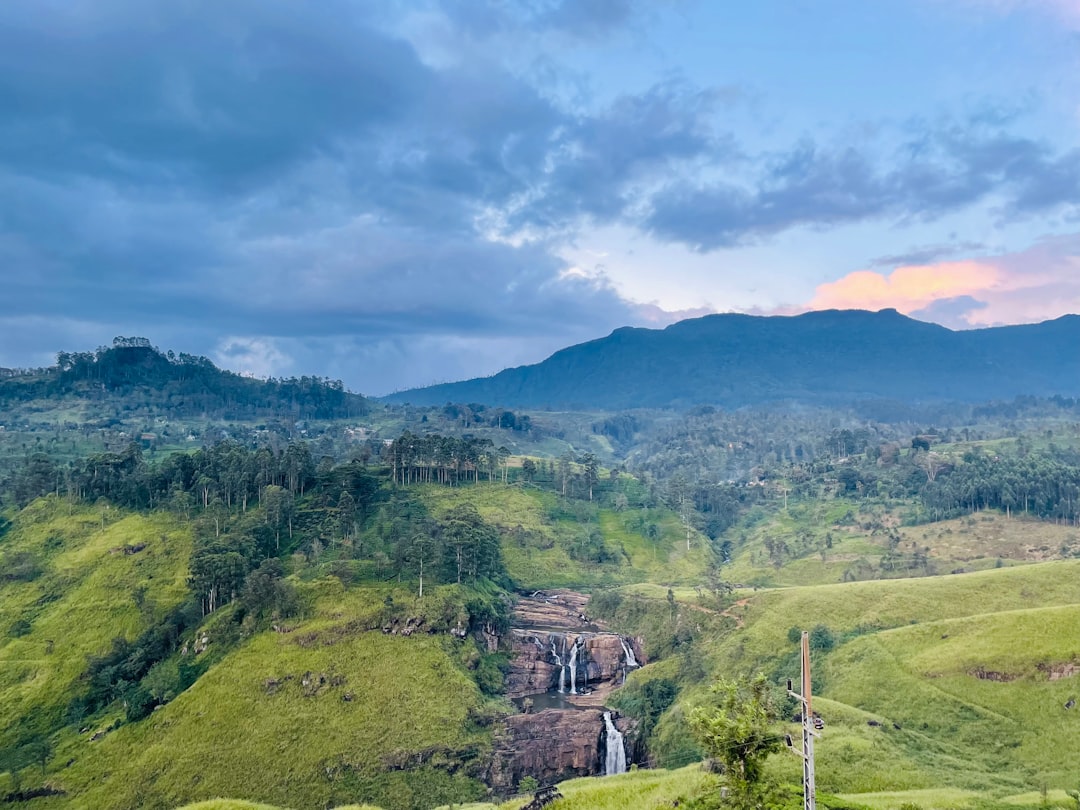
The route begins in Hatton, the gateway town to the Adam's Peak pilgrimage, and traces a sweeping arc through the tea districts of Nuwara Eliya, Haputale, Bandarawela, and Ella before descending to finish in Kandy. Along the way, hikers pass through some of the most beautiful scenery on earth: shimmering seas of tea bushes carpeting every hillside, ancient cloud forests draped in moss, gushing waterfalls, and open highland meadows with views stretching to the horizon.
Unlike many Asian trekking routes, the Pekoe Trail is not a wilderness route. It passes through living, working communities — estate workers' villages, market towns, and ancient temples — giving walkers an authentic window into highland Sri Lankan life that no bus tour can match.
The full 22-stage route typically takes between 14 and 22 days to complete, depending on pace and rest days. Individual stages can also be walked independently as day hikes, with the sections around Ella and Nuwara Eliya being the most popular.
Quick Info
- Start: Hatton (Central Province)
- Finish: Kandy (Central Province)
- Total: 322 km — 22 stages
- Duration: 14–22 days (full trail)
- Difficulty: Moderate to Challenging
- Best Season: Jan–April, Jul–Sep
- Permit: Free — none required
Best Day Hike Stages
- 17 Badulla to Ella (18 km)
- 13 Pattipola to Haputale (17 km)
- 14 Haputale to Bandarawela (13 km)
- 9 Lindula to Nuwara Eliya (18 km)
The Tea Estate Experience
What makes the Pekoe Trail unlike any other long-distance walk in Asia — an immersive journey through living tea culture.
Factory Visits
Most large estates welcome walkers for a free factory tour. Watch the withering, rolling, fermenting, and drying that transforms a leaf into Ceylon tea. Stages 7–9 and 14 pass the most accessible factories.
Estate Bungalows
Restored colonial planter's bungalows offer an unforgettable stay. Expect log fires, four-poster beds, home-cooked dinners, and sweeping estate views. Book months ahead — only a handful exist along the route.
Tea Pluckers
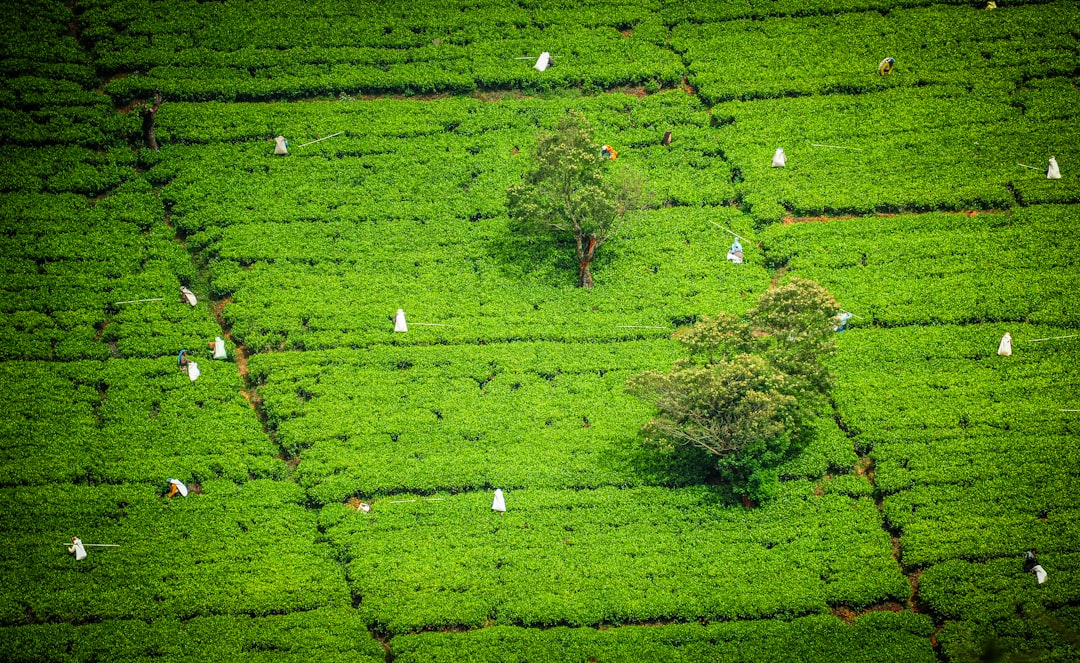
The trail weaves past rows of Tamil tea pluckers — mostly women — harvesting the "two leaves and a bud" with extraordinary speed. Always ask permission before photographing; a smile and a gesture goes a long way.
Lipton's Seat
Sir Thomas Lipton would ride to a rocky viewpoint above Dambatenne each morning to survey his tea empire. On a clear day from Lipton's Seat (Stage 14), the view stretches 200 km — all the way to the south coast.
Estate Etiquette
Tea estates are private working land — the trail crosses them with permission. Stay on the marked path, do not pick tea leaves, carry out all rubbish, and greet workers respectfully. The trail's continued access depends on walkers behaving as good guests.
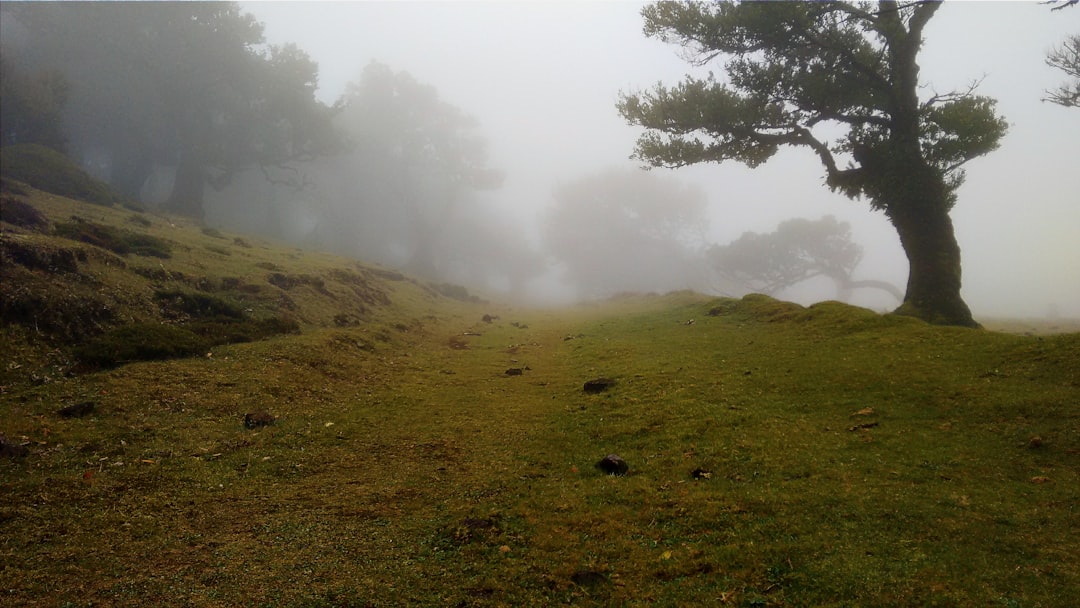
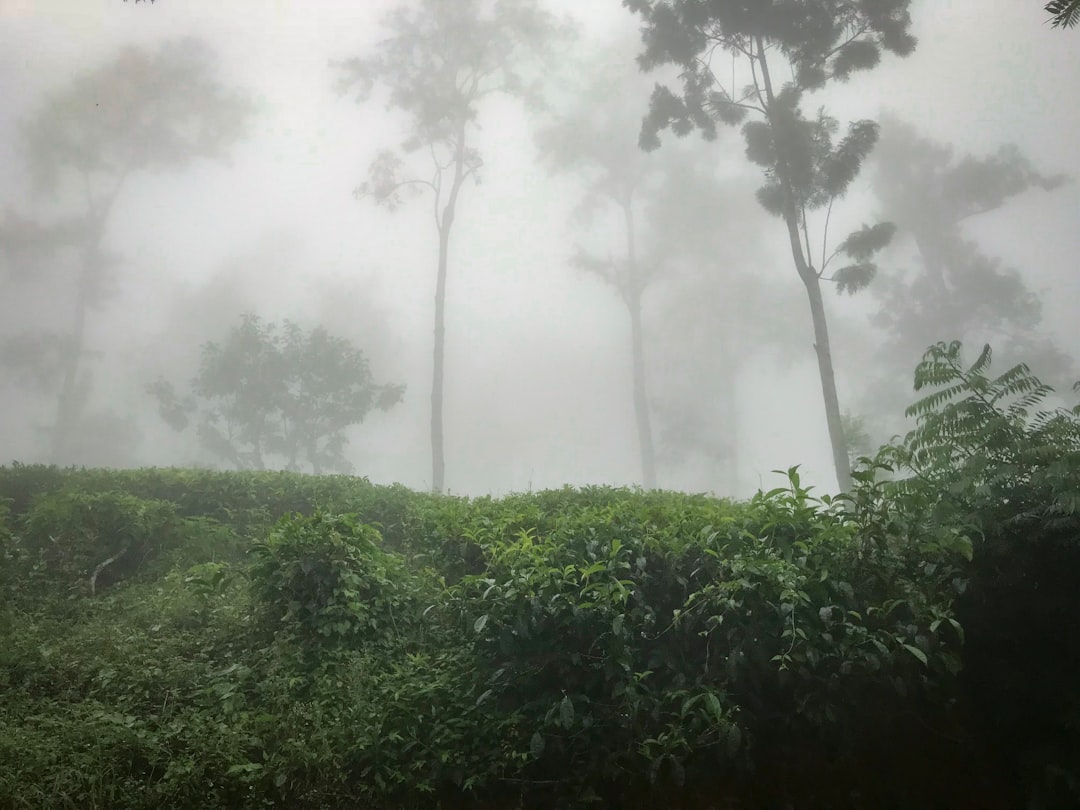
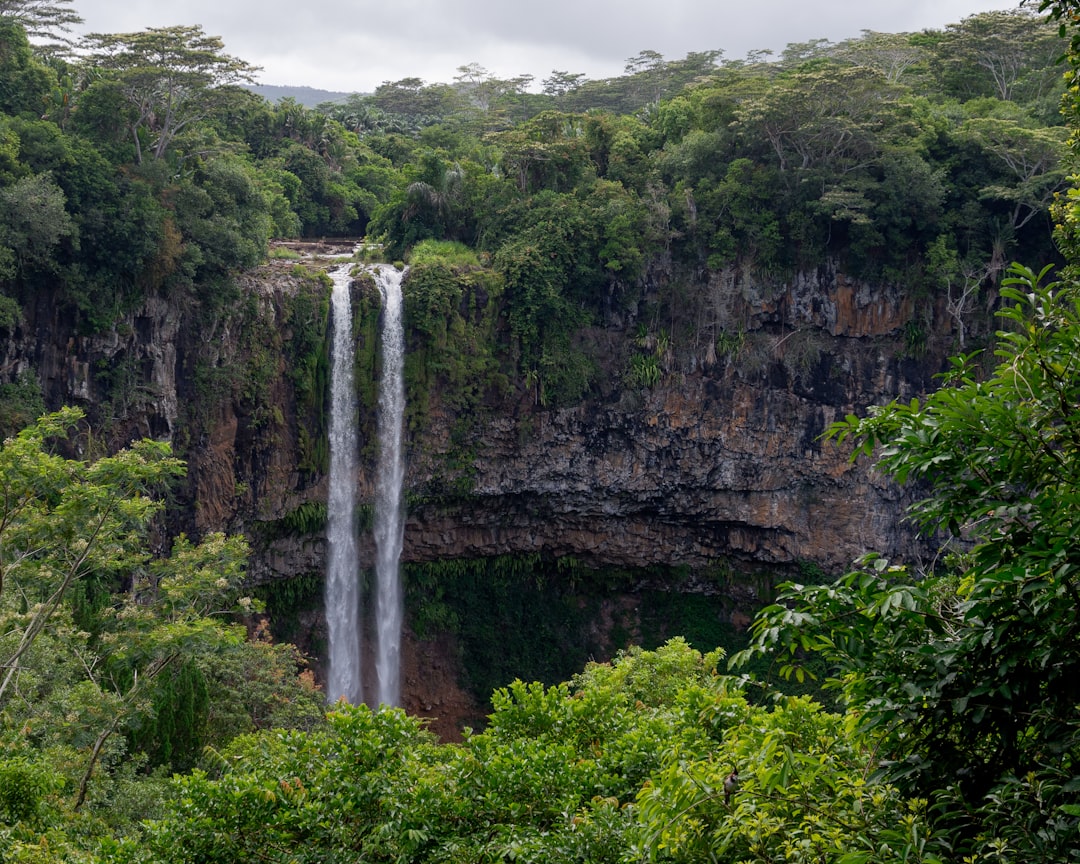
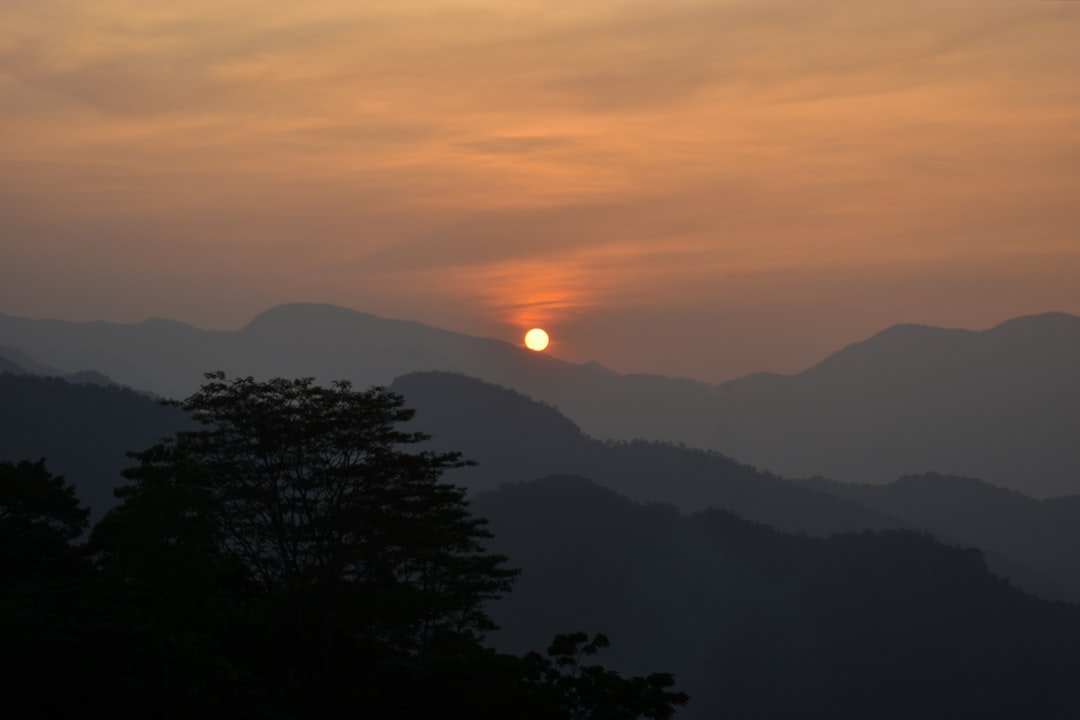
Trail Landscapes
All 22 Stages
Each stage can be walked independently or as part of the full trail
Hatton to Kotagala
Begin in the heart of Hatton's tea estates, crossing the Kotmale Oya river before climbing through immaculate rows of tea bushes toward Kotagala.
Kotagala to Dolosbage
A long ridge walk with commanding views of the Bogawantalawa Valley — one of the most beautiful tea-growing valleys in the world.
Dolosbage to Ginigathena
Descend through cloud forest and rubber estates, with a forest stream crossing and traditional village stop midway.
Ginigathena to Norwood
A demanding climb through the tea terraces above Norwood, rewarded with sweeping views back toward Adam's Peak on clear days.
Norwood to Hatton
Loop back through a different route into Hatton town, passing the Castlereigh Reservoir — a large hydro lake fringed by tea estates.
Hatton to Dickoya
A gentler stage through the Dickoya group of estates, with the distinctive silhouette of Adam's Peak visible on clear mornings.
Dickoya to Talawakele
Cross the famous Lovers' Leap waterfall area before arriving in Talawakele, a busy market town serving the surrounding estates.
Talawakele to Lindula
Rolling tea country with multiple factory visits possible. The Laxapana Falls thunders nearby, one of Sri Lanka's tallest waterfalls.
Lindula to Nuwara Eliya
The longest stage leads into the highest city — Nuwara Eliya at 1,868 m. Views include Pidurutalagala, Sri Lanka's highest mountain.
Nuwara Eliya to Kandapola
Leave behind the city bustle for quiet pine-forested ridges and highland vegetable farms that supply the island's produce.
Kandapola to Ragala
Remote highland walking through cloud forest patches. Wildlife including purple-faced langurs and endemic birds is abundant here.
Ragala to Pattipola
A high-altitude stage passing close to Horton Plains and World's End. Cold, misty, and dramatic — one of the most memorable days on the trail.
Pattipola to Haputale
Descend the dramatic southern escarpment of the central highlands into Haputale, with extraordinary views across the southern lowlands.
Haputale to Bandarawela
Through cool highland tea gardens, passing the historic Dambatenne Tea Factory founded by Sir Thomas Lipton.
Bandarawela to Welimada
Gentle agricultural landscapes and flowering meadows, with a mid-stage rest at the Welimada hot springs — rare in the highlands.
Welimada to Badulla
Approach Badulla through the Ella Gap escarpment, passing the Dunhinda Falls — the most spectacular waterfall in the Uva Province.
Badulla to Ella
One of the most popular stages: a beautiful walk between two iconic hill country destinations along valley paths and tea-covered ridges.
Ella to Passara
A quieter, more remote stage east of Ella through cardamom and pepper plantations, away from tourist crowds.
Passara to Lunugala
Forest and village paths in the lower hill country, rich in birdlife and completely off the standard tourist trail.
Lunugala to Mahiyangana
Descend toward the ancient Mahiyangana Raja Maha Vihara — one of Sri Lanka's most sacred Buddhist temples.
Mahiyangana to Hunnasqiriya
Re-ascend into the hill country through the Knuckles Mountain Range foothills — a UNESCO World Heritage biodiversity hotspot.
Hunnasqiriya to Kandy
The grand finale: a challenging descent through Knuckles forest into Kandy, arriving at the Temple of the Tooth to complete the journey.
Stage Difficulty at a Glance
Bar width = stage distance. Colour = difficulty level.
Trail Route Map
Click any stage marker to see its name. The green line traces the full route from Hatton to Kandy.
Sample Itineraries
Choose your adventure — from the full 22-day epic to a long-weekend taste of tea country
Full Trail
The complete experience — Hatton to Kandy
Walk every one of the 22 stages in the official direction. Budget one stage per day with rest days in Nuwara Eliya (after Stage 9), Ella (after Stage 17), and Kandy at the end. This gives you 25 nights total including arrival and departure.
Highlights
- ✓ Full Bogawantalawa Valley views
- ✓ World's End plateau (Stage 12)
- ✓ Lipton's Seat at Dambatenne
- ✓ Knuckles Range wilderness
- ✓ Temple of the Tooth arrival
10-Day Highlights
The best of tea country and hill country
Fly into Colombo, take the scenic train to Nuwara Eliya and walk Stages 9–17: nine stages covering the most celebrated sections from Nuwara Eliya through Haputale, Bandarawela, and finishing in Ella. Use Haputale or Bandarawela as a base for 2–3 stages.
Highlights
- ✓ World's End approach
- ✓ Haputale escarpment panorama
- ✓ Dambatenne Tea Factory
- ✓ Dunhinda Falls
- ✓ Badulla to Ella finale
Weekend Sampler
The Ella Loop — perfect first taste
Based in Ella, use it as a hub for 3–4 of the most iconic stages: walk Stage 14 (Haputale–Bandarawela) and Stage 17 (Badulla–Ella) in either direction as day hikes, with optional tuk-tuk shuttles to the start of each stage. No heavy pack required.
Highlights
- ✓ Haputale ridge views
- ✓ Dambatenne (Lipton's Seat)
- ✓ Welimada countryside
- ✓ Ella Rock approach
When to Walk the Pekoe Trail
The dry inter-monsoon brings clear skies, crisp air, and superb visibility. The most popular window for the full trail. Cool mornings and evenings make walking comfortable.
The southwest monsoon clears from the highlands. Waterfalls are at their full spectacular flow. Fewer tourists on the trail.
Monsoon brings rain to western slopes. Eastern stages (Ella, Badulla) are drier. Lush green landscapes but slippery paths on western stages.
Northeast monsoon hits eastern highland slopes hard. Heavy rain, persistent mist, and leech-infested paths on most stages.
Getting to Hatton
The Pekoe Trail starts in Hatton, a small hill-country town roughly 160 km east of Colombo. The trail finishes in Kandy — a major transport hub with easy onward connections across the island.
By Train — Upcountry Line
The Colombo Fort → Kandy → Hatton train is one of the world's most scenic rail journeys — the route itself is a highlight. Trains climb through rubber plantations, misty waterfalls, and tea-carpeted ridges as the elevation rises from sea level to 1,271 m.
Book observation car seats in advance via Expo Rail or Sri Lanka Railways. 3rd class is unreserved — arrive early for a window seat on the right side (Colombo → Hatton) for the best hill-country views.
By Bus
CTB and private intercity buses run from Colombo Bastian Mawatha Bus Stand to Hatton.
Alternative: Colombo → Kandy (2 hrs), then Kandy → Hatton (~3 hrs). Allows a Kandy stopover the day before.
By Private Vehicle
PickMe and Uber available Colombo → Kandy. Arrange a local taxi or tuk-tuk from Kandy to Hatton (~LKR 4,000).
Stage 1 begins in Hatton town, a short walk or tuk-tuk ride from the station (LKR 150 – 300). Ask for the Pekoe Trail Stage 1 signpost near the Hatton clock tower.
Stage 22 finishes at the Temple of the Tooth in Kandy. Trains to Colombo run throughout the day (~2.5 hrs). Direct buses reach Negombo (airport) and the south coast.
Practical Information
Accommodation
Each stage end-point has accommodation from simple guesthouses to tea estate bungalows. Book ahead for December–March peak season. Estate bungalows offer a colonial-era experience with home-cooked meals and factory tours.
Guides & Navigation
Trail is waymarked with green Pekoe Trail signs, but signage is inconsistent. Local guides are recommended for remote stages 12, 18–20. Arrange through guesthouses in most stage towns for approx. LKR 3,000–5,000/day.
Fitness Level
Full trail demands good base fitness. Daily stages of 11–19 km with 600–900 m elevation change require preparation. Beginners should start with easier stages around Ella or Nuwara Eliya.
Cost Estimate
Budget: USD 25–40/day. Mid-range (estate bungalows + guide): USD 60–100/day. The trail itself is free — no permit required.
Estimates for 2025/2026.
Stage-to-Stage Transport
Most stage towns are connected by local bus or tuk-tuk, letting you skip stages or return to a base. Nuwara Eliya, Haputale, Bandarawela, Ella, and Badulla have excellent transport links. Remote ends (Ragala, Pattipola) need pre-arranged transport.
Packing Checklist
Tick off each item as you pack. Covers everything you need for a multi-day Pekoe Trail section. Print or bookmark this page before you leave home.
What to leave behind
- • Heavy SLR cameras (phone cameras are sufficient)
- • Cotton clothing (takes ages to dry when wet)
- • More than 2–3 days of food (villages resupply regularly)
- • Tent and sleeping mat (guesthouses are always accessible)
💡 Pro tip on luggage
Use a luggage transfer service (available in Ella and Nuwara Eliya) to send your main bag ahead to your next town. Walk each stage with just a light daypack — your back will thank you.
Checklist is saved in your browser session only and resets on page refresh.
Wildlife & Birds to Spot
The Pekoe Trail passes through some of Sri Lanka's richest wildlife habitat. Several species are found nowhere else on Earth.
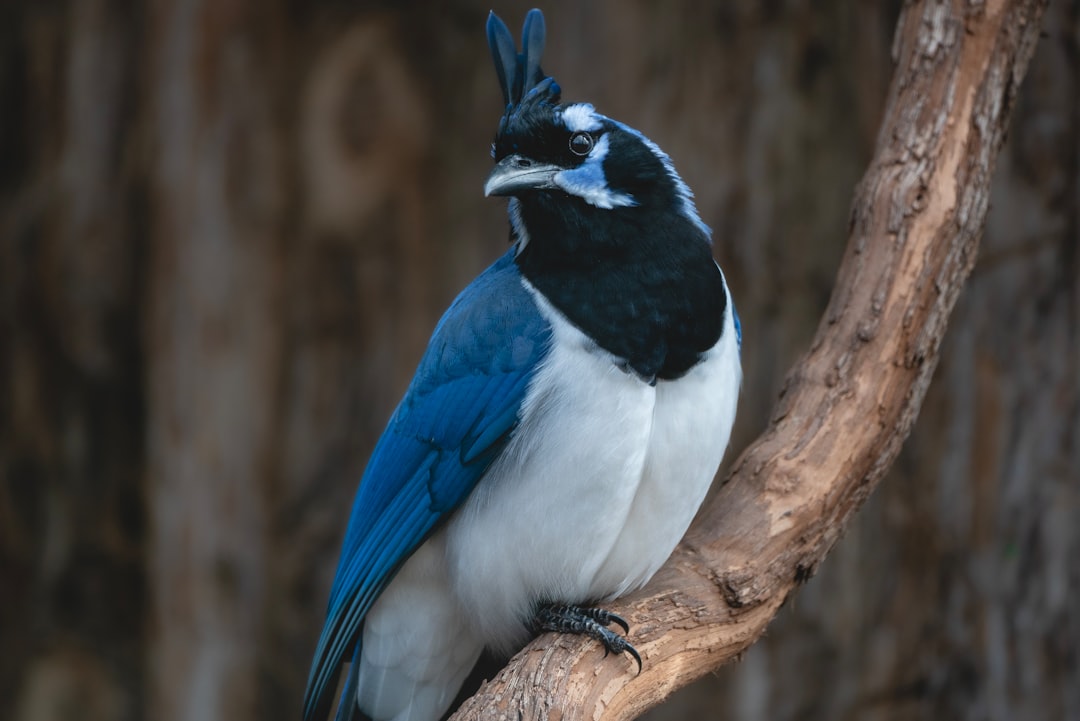
Sri Lanka Blue Magpie
🐦The jewel of the highland forest — brilliant blue and chestnut plumage, found only in Sri Lanka's wet zone hills.
📍 Stages 3, 11, 21–22
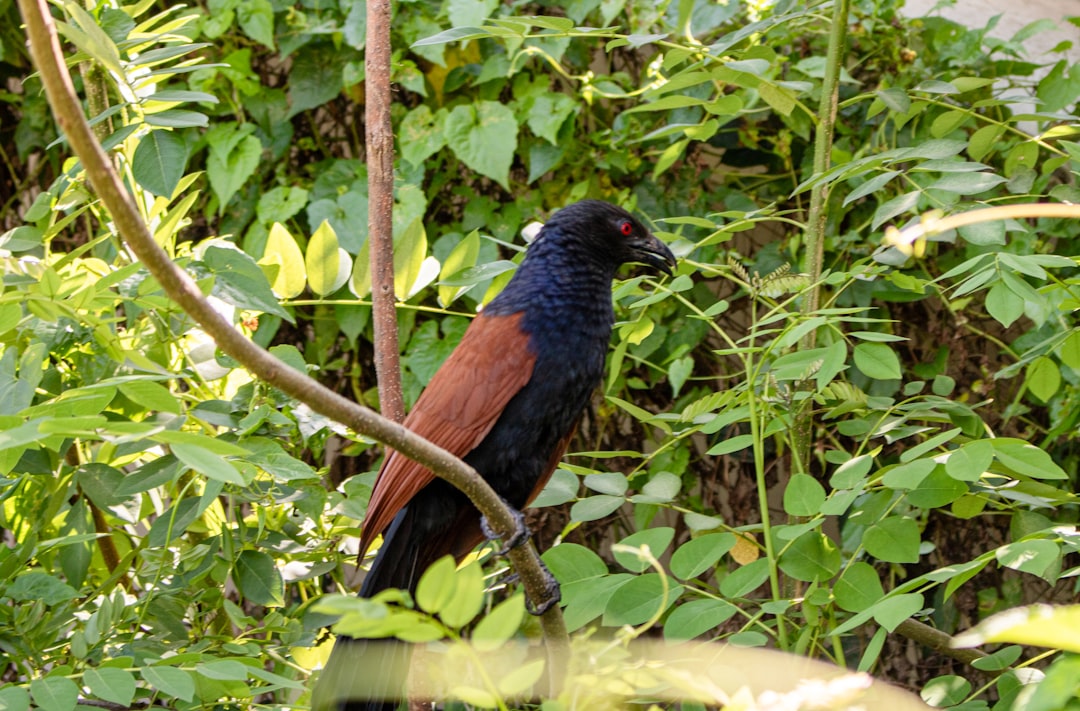
Ceylon Junglefowl
🐓Sri Lanka's national bird. The ancestor of all domestic chickens, seen scratching through leaf litter on forest edges.
📍 Throughout the trail
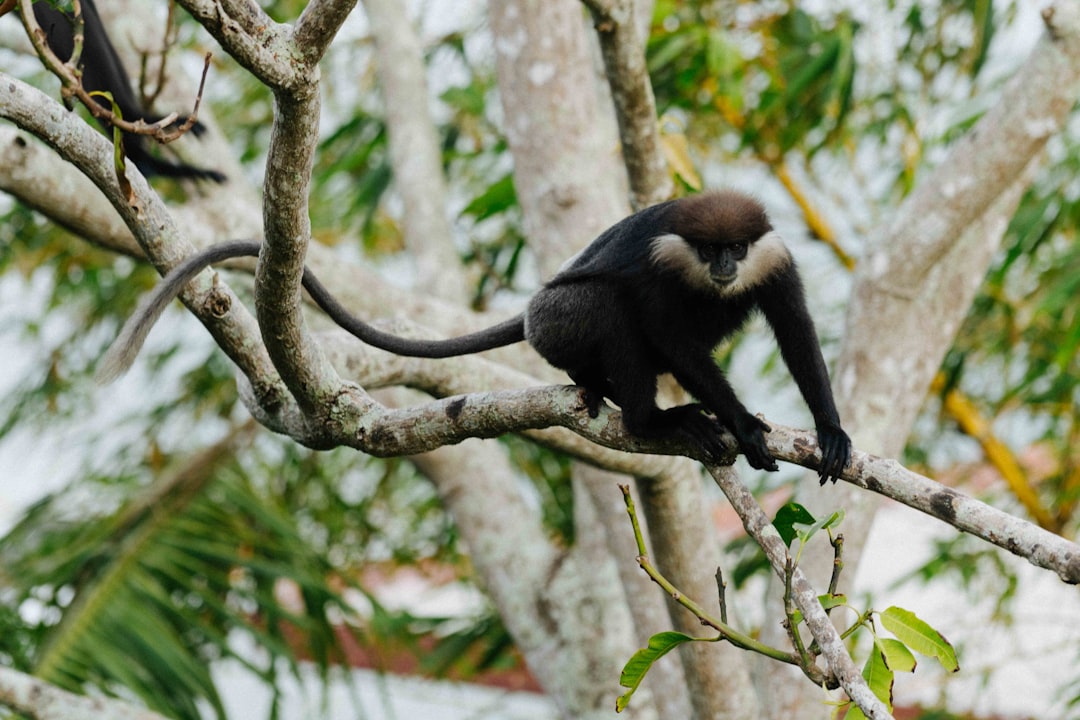
Purple-faced Langur
🐒Long-tailed grey monkeys with distinctive dark faces. Often seen leaping between forest canopy on the misty highland stages.
📍 Stages 10–12, 21
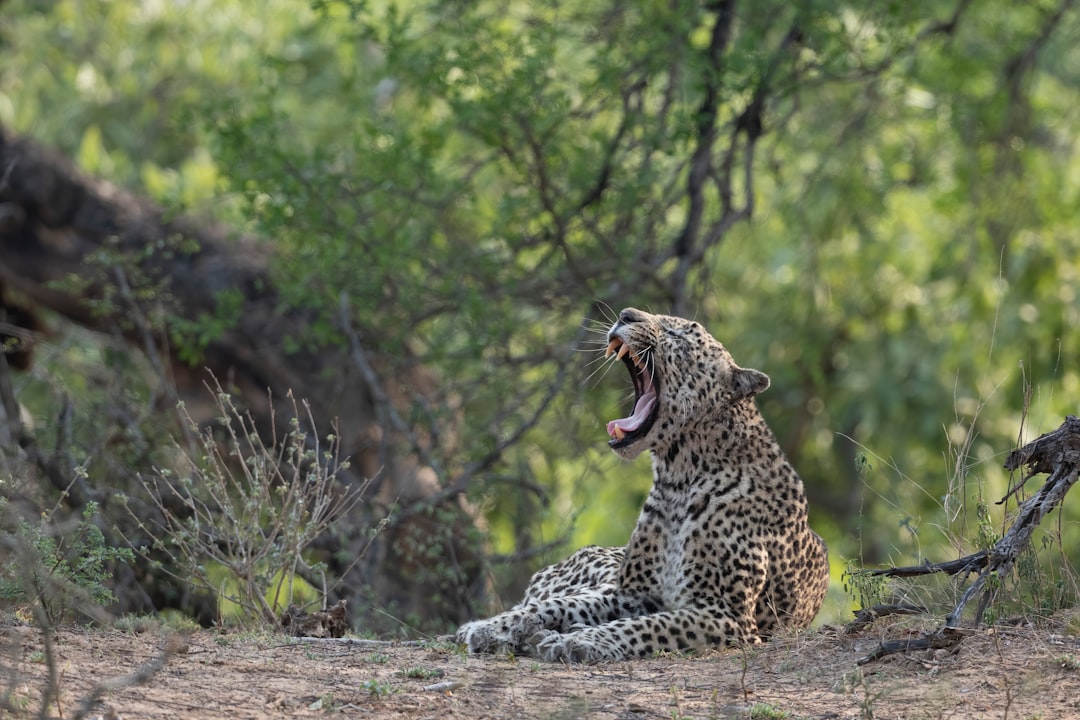
Sri Lanka Leopard
🐆Present in the Knuckles Range but extremely rarely seen. If you spot tracks near Stage 21, count yourself very lucky.
📍 Stage 21 (very rare)
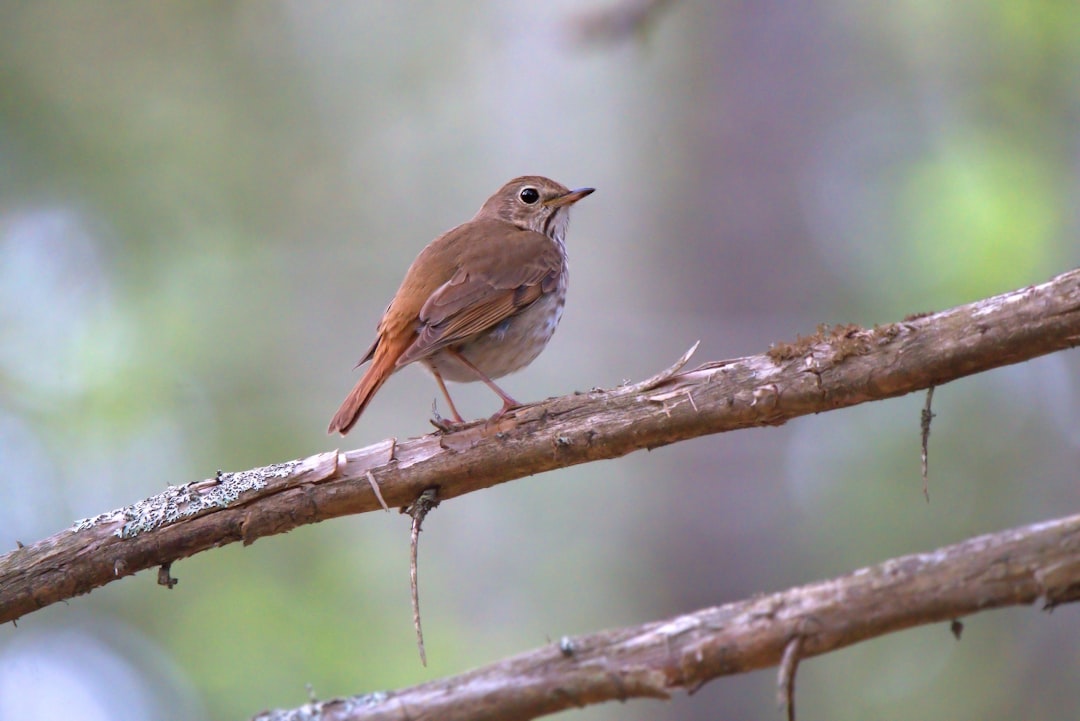
Sri Lanka Whistling Thrush
🎵Heard before seen — a haunting, flute-like whistle echoing through stream-side forest. Deep blue-black with orange bill.
📍 Stages 3, 10–12
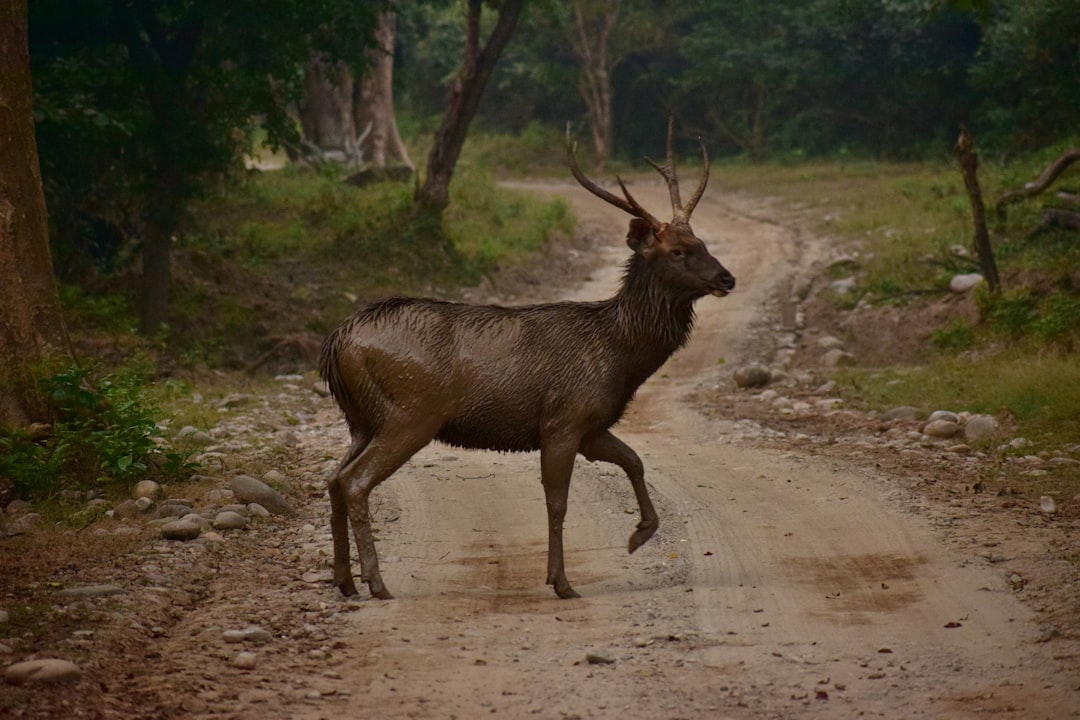
Sambar Deer
🦌Sri Lanka's largest deer, often spotted at dawn and dusk grazing at the forest edges of the high-altitude stages.
📍 Stages 12, 19–21
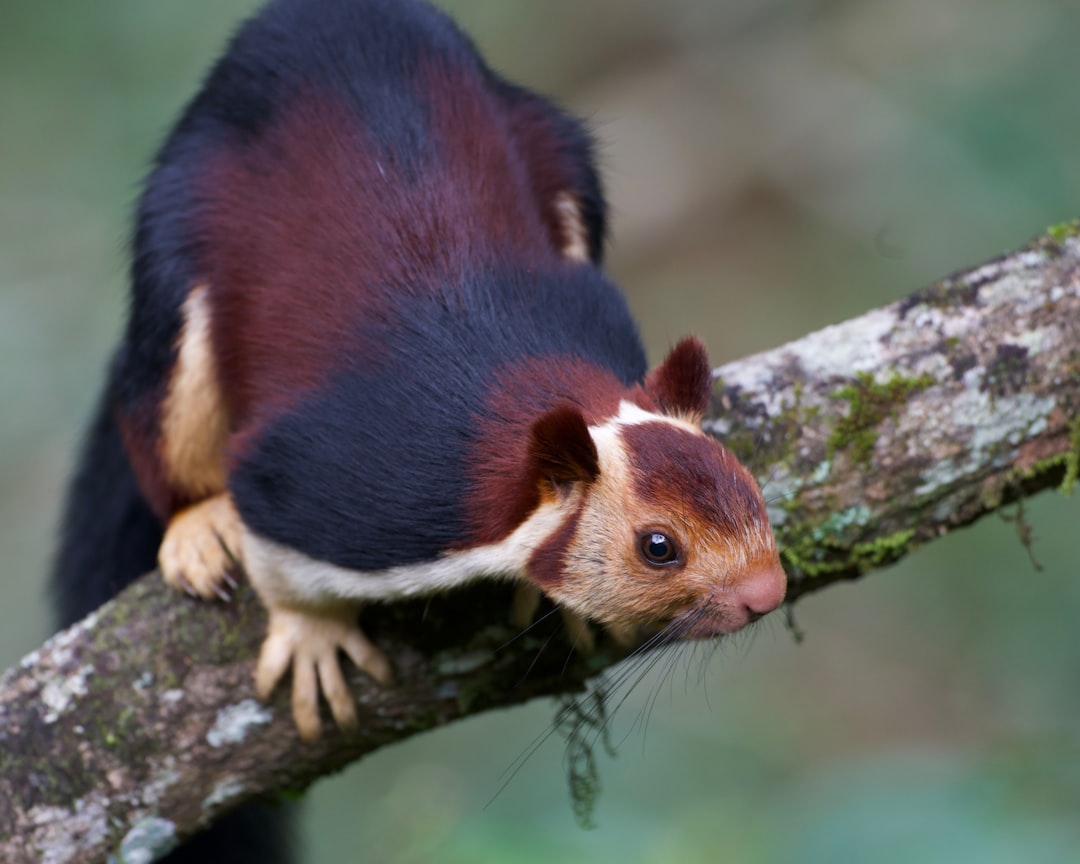
Indian Giant Squirrel
🐿️The world's largest squirrel — maroon and cream, the size of a cat. Leaps spectacularly between forest giants.
📍 Stages 3, 22 (Knuckles)
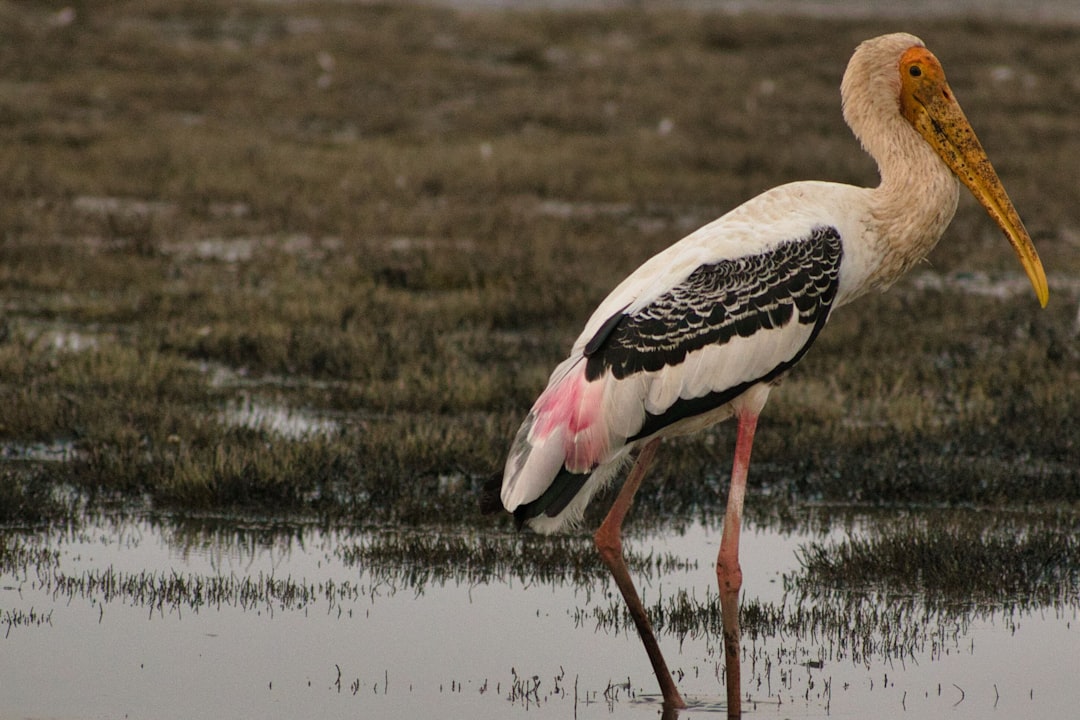
Painted Stork
🦢Large white-and-pink wading birds seen at lowland reservoirs and paddyfields near the Mahiyangana stages.
📍 Stage 20
Birding tip
The Pekoe Trail is an outstanding birding route — over 160 species recorded, including 20+ Sri Lankan endemics. Download the eBird or Merlin app before you go to identify calls and log sightings. Early morning stages (departing by 6 AM) give the best birdwatching.
Places Along the Way
Explore detailed guides to the destinations the Pekoe Trail passes through
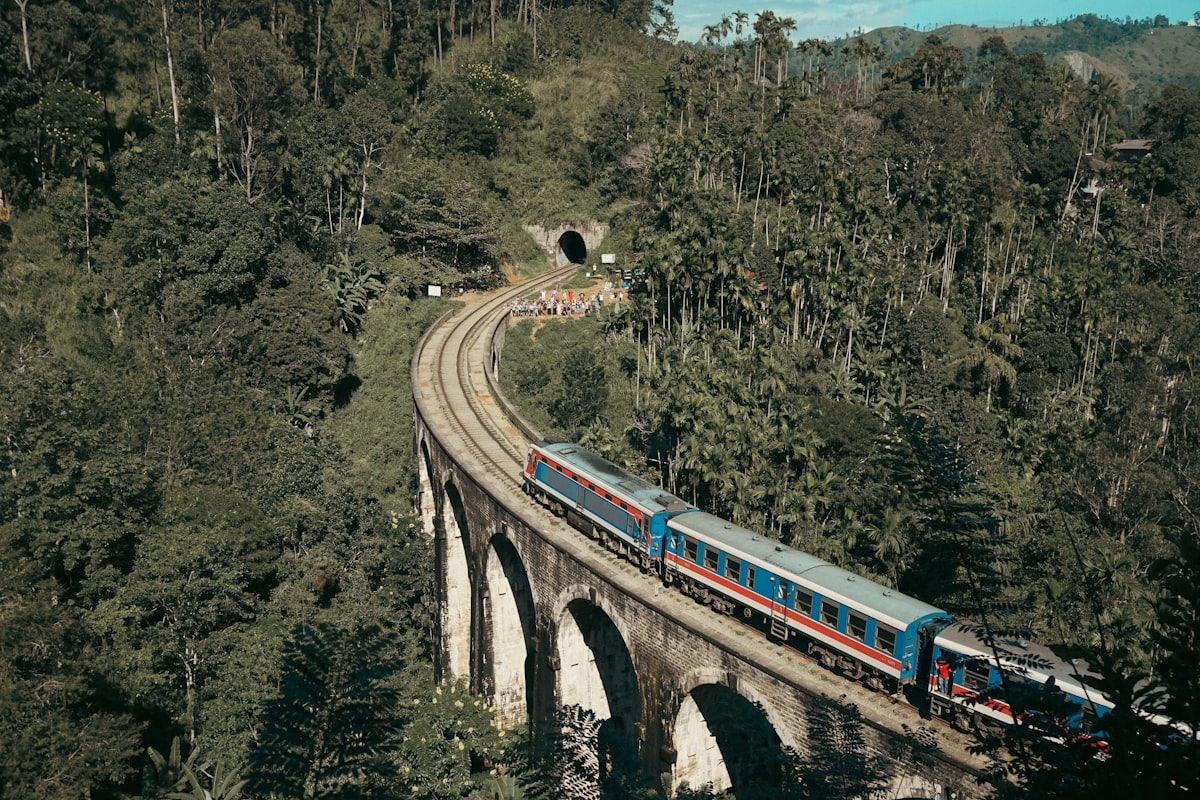
Ella
Nine Arch Bridge, Little Adam's Peak, and iconic train views
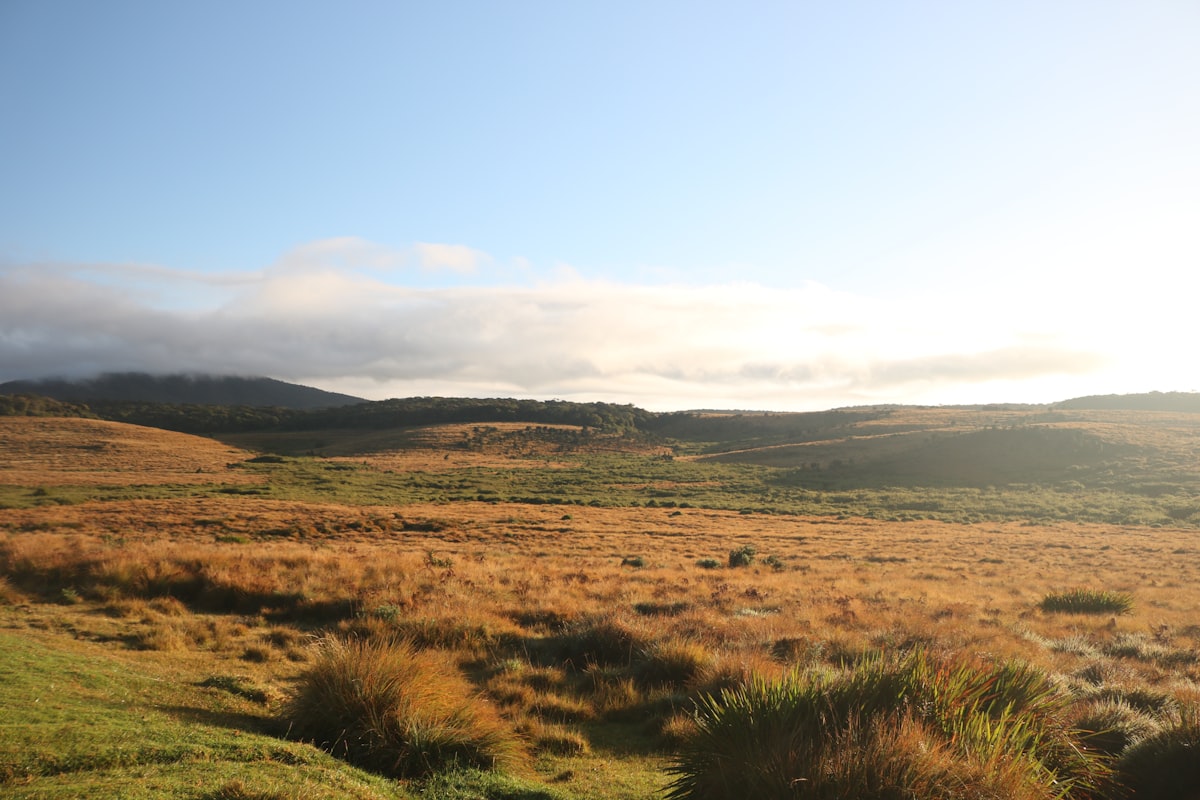
Horton Plains
World's End — the dramatic cliff edge near the trail's highest point
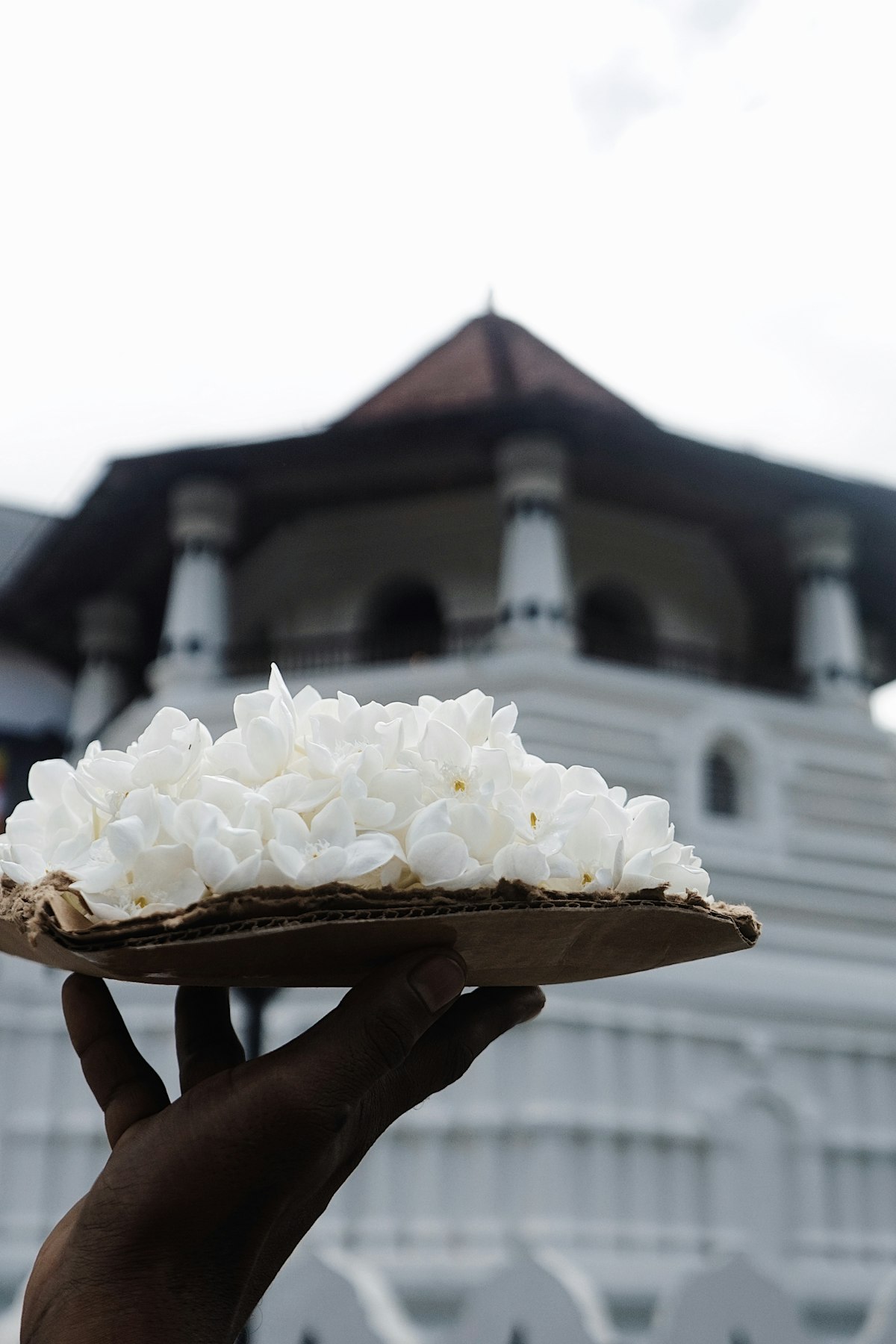
Kandy
The trail's magnificent cultural finale — the Temple of the Sacred Tooth
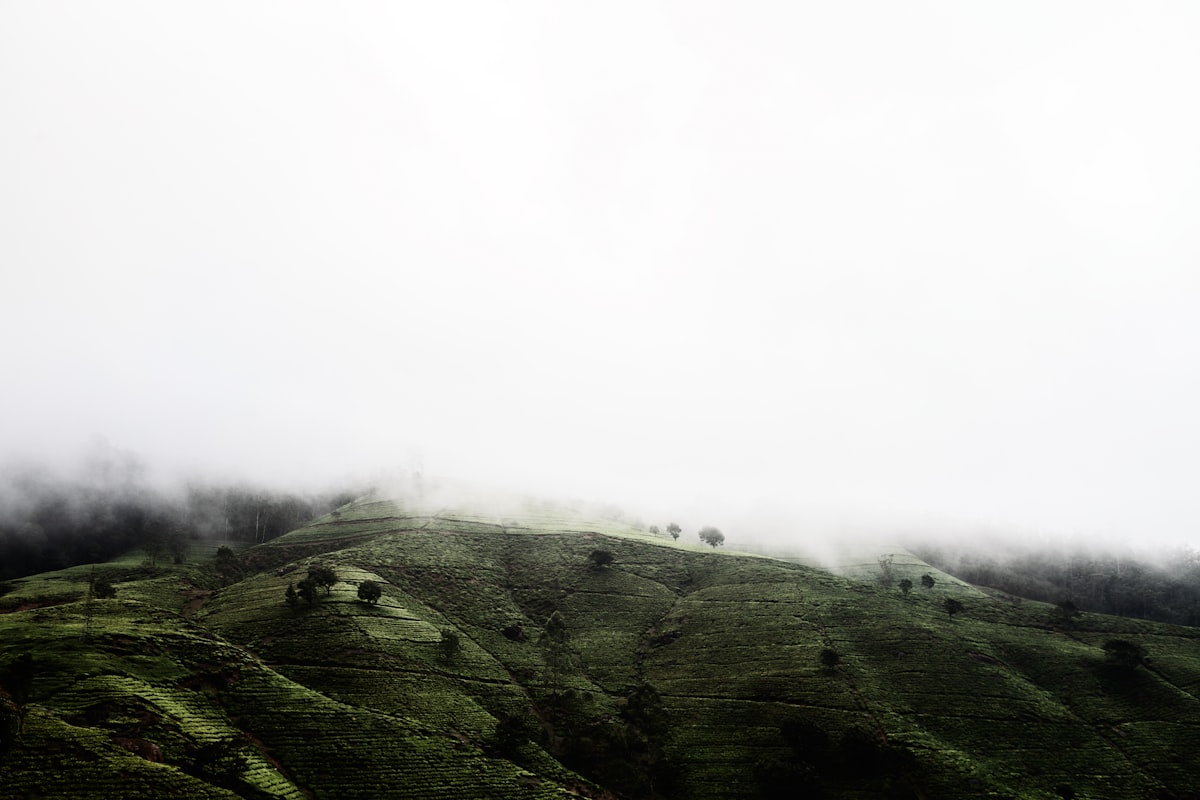
Nuwara Eliya
Sri Lanka's highland city — the heart of Ceylon tea country
Guided & Organised Options
Not ready to go it alone? These options range from fully supported tours to light-touch guiding.
Fully Guided Tours
Specialist tour operators offer fully supported Pekoe Trail packages: accommodation pre-booked, daily guide included, luggage transferred between stages, and meals arranged. Ideal for first-timers or those with limited time for logistics.
Look for: Sri Lanka-based eco-tourism operators with Pekoe Trail certification
Community Guides
Local community guides are trained and certified through the Pekoe Trail programme. Arrange through guesthouses in any stage town — they provide irreplaceable local knowledge, support the communities you walk through, and often know secret viewpoints and shortcuts.
Arrange: At your guesthouse the night before
Self-Guided with Support
Walk independently but use the Pekoe Trail's accommodation booking service to pre-reserve guesthouses along your route, and the luggage transfer service to move your main bag ahead. You walk free, your bag gets there before you.
Book via: pekoetrail.lk (official trail website)
Walk Responsibly
The Pekoe Trail was designed to benefit local communities. Eat at local restaurants, stay in locally owned guesthouses rather than booking platforms, hire local guides, and buy tea directly from estate factories. Every rupee spent on trail keeps this remarkable route alive.