Udawalawe National Park
Best Time to Visit
Udawalawe can be visited year-round thanks to its position between the two monsoon zones. The best wildlife viewing is during October to January and May to September, when water levels in the reservoir drop and animals congregate around remaining water sources.
Overview
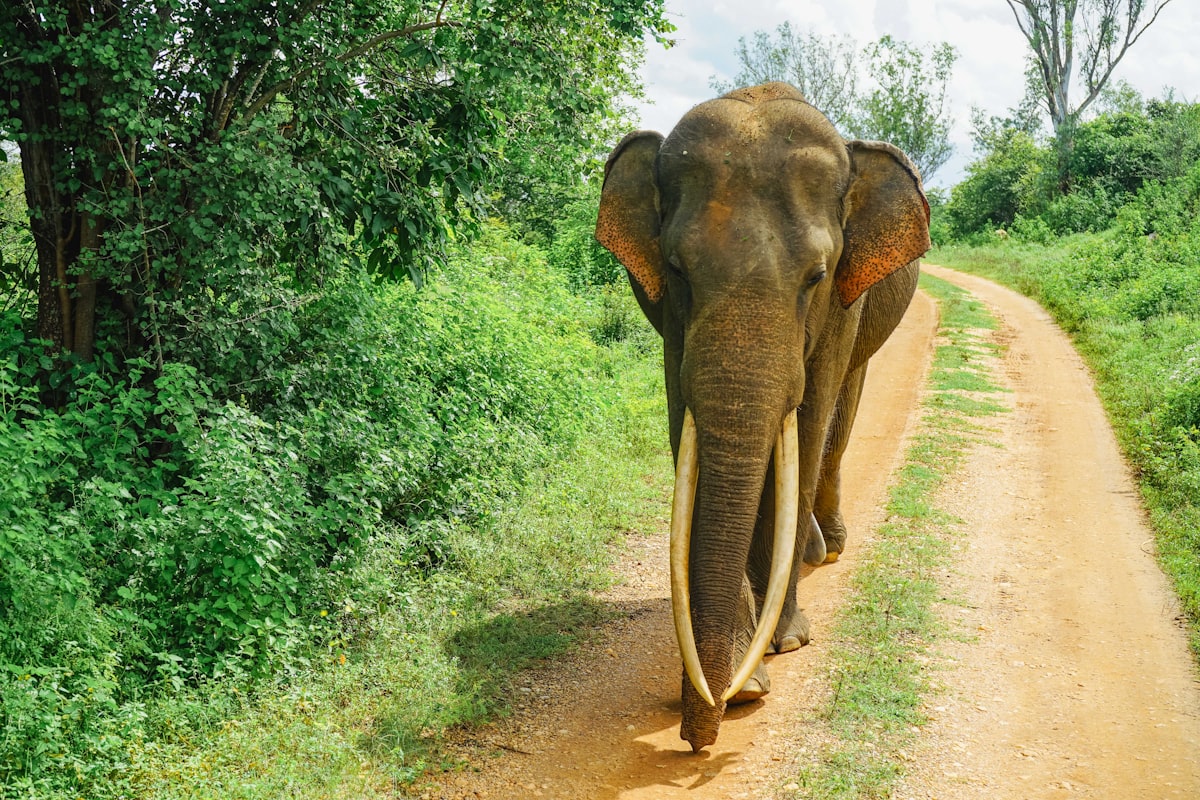
Udawalawe National Park is widely regarded as the single best place in Sri Lanka to see wild Asian elephants. While Yala draws larger crowds for its leopards and Minneriya attracts attention during The Gathering migration, Udawalawe offers the most reliable and consistent elephant sightings year-round. On any given safari, visitors can expect to encounter anywhere from 50 to 150 elephants — herds of females with calves, solitary bulls, and occasionally impressive tuskers — all roaming freely across the park’s sweeping grasslands and scrubby woodlands.
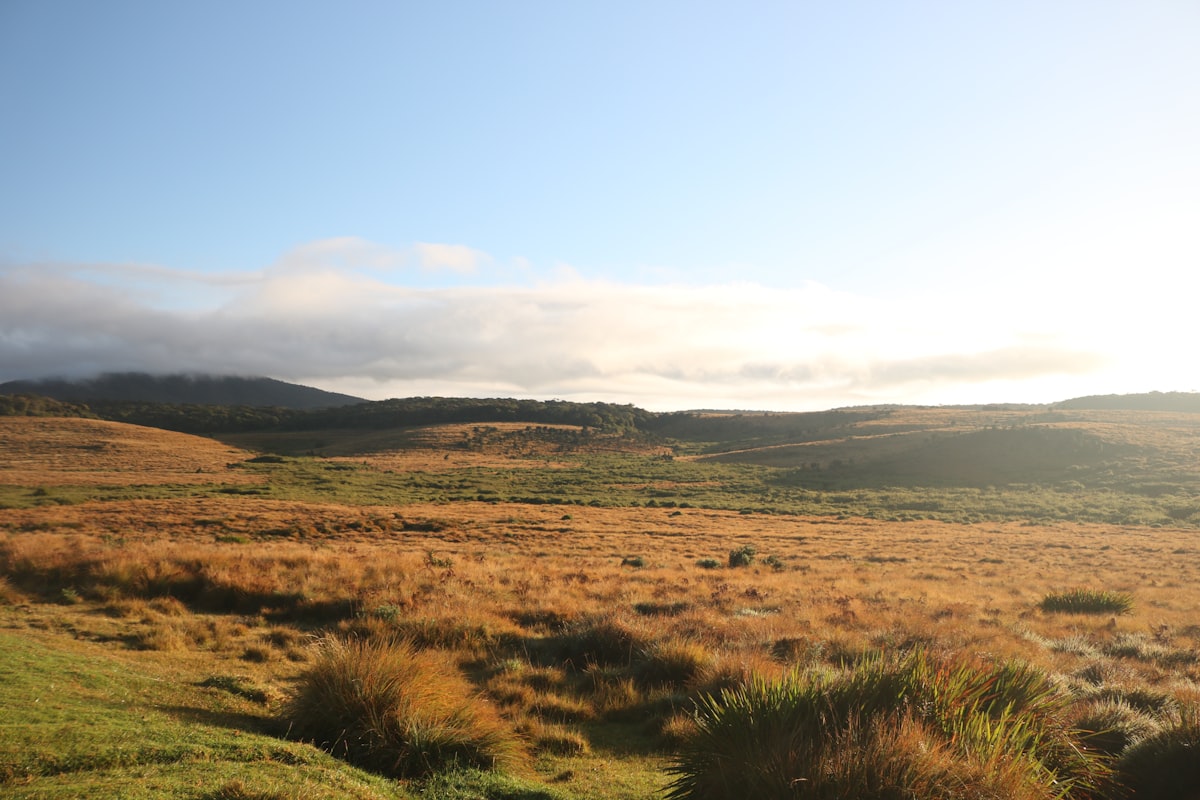
Established in 1972 to protect the watershed of the Udawalawe Reservoir and the wildlife displaced by its construction, the park covers 30,821 hectares of dry zone habitat in the southern lowlands. The terrain is predominantly open grassland interspersed with thorn scrub, providing excellent visibility for wildlife spotting. Beyond elephants, the park supports a rich diversity of other species, including water buffalo, sambar and spotted deer, wild boar, crocodiles, monitor lizards, and over 200 species of birds.
What to See
Elephant Herds
The park’s population of 600 to 700 resident elephants is the undisputed main attraction. Unlike some parks where sightings depend on luck and season, Udawalawe delivers near-guaranteed encounters. Family groups of mothers, aunts, and calves are particularly endearing to watch, while solitary bulls can often be observed feeding by the reservoir’s edge or dusting themselves on the dry plains. The elephants here are habituated to safari vehicles but remain entirely wild and unmanaged.
Udawalawe Reservoir
The vast Udawalawe Reservoir, created by a dam across the Walawe River, forms the northern boundary of the park and is the lifeblood of the ecosystem. Its shores attract large numbers of waterbirds, including painted storks, pelicans, grey herons, and various species of kingfisher. During the dry months, the receding water levels create mudflats that concentrate wildlife, making for exceptional viewing.
Elephant Transit Home
Located adjacent to the park entrance, the Elephant Transit Home (ETH) is a government-run facility that rehabilitates orphaned and injured elephant calves with the goal of releasing them back into the wild. Unlike some elephant “orphanages” that have drawn ethical concerns, the ETH limits human contact with the elephants and has successfully reintroduced many individuals into the wild population. Visitors can observe the young elephants during feeding times (typically 9:00 AM, 12:00 PM, and 3:00 PM).
Birdlife
Udawalawe is an outstanding birding destination, with over 200 recorded species. The reservoir and its margins attract spectacular waterbirds, while the grasslands and woodland edges harbour raptors, bee-eaters, rollers, and the endemic Sri Lanka grey hornbill. Serious birders should request a driver who doubles as a knowledgeable bird guide.
Other Wildlife
While elephants dominate, keep watch for water buffalo wallowing in muddy pools, sambar deer grazing at the forest edge, crocodiles basking on the reservoir banks, and the occasional wild boar trotting across the track. Jackals and fishing cats inhabit the park but are seldom seen during daytime safaris.
Tips for Visitors
- Choose the early morning safari: The 6:00 AM departure offers the best light, cooler temperatures, and the most active wildlife. Animals are most visible in the first two hours after dawn.
- Book a reputable jeep and driver: Jeep hire is mandatory for park visits, and the quality of your driver directly affects your experience. Ask your accommodation for recommended operators who respect park rules and animal distances.
- Less crowded than Yala: One of Udawalawe’s great advantages is that it receives fewer visitors than the more famous Yala National Park, particularly on weekdays. This means quieter, more intimate wildlife encounters.
- Combine with the Elephant Transit Home: Allow an extra hour before or after your safari to visit the ETH feeding session. It is a worthwhile and educational experience.
- Bring binoculars: While elephants are large enough to spot easily, binoculars greatly enhance bird and crocodile sightings.
- Carry sun protection: The open grassland offers little shade, and the southern dry zone sun is intense. Bring sunscreen, a hat, and plenty of water.
- Respect the animals: Never pressure your driver to approach too closely. Maintain a safe distance, keep noise to a minimum, and never throw food or litter.
Photo Gallery
How to Get There
By Bus
LKR 500 - LKR 1,200From Embilipitiya, take a local bus or tuk-tuk (LKR 800-1,500) to the park entrance at Ath Athuru Sevana
Private Vehicle
LKR 14,000 - LKR 22,000The Southern Expressway significantly reduces travel time; the park can be combined with a visit to Ella or Sinharaja Forest Reserve
Entrance Fees
| Visitor Type | Adult | Child |
|---|---|---|
| Sri Lankan Visitors | LKR 60 | LKR 30 |
| Foreign Visitors | $15 | $8 |