Yapahuwa Rock Fortress
Best Time to Visit
The dry seasons from January to April and June to September are ideal for climbing the rock and exploring the ruins without monsoon rains. Early morning visits reward you with cooler temperatures and mist over the surrounding jungle canopy.
Overview
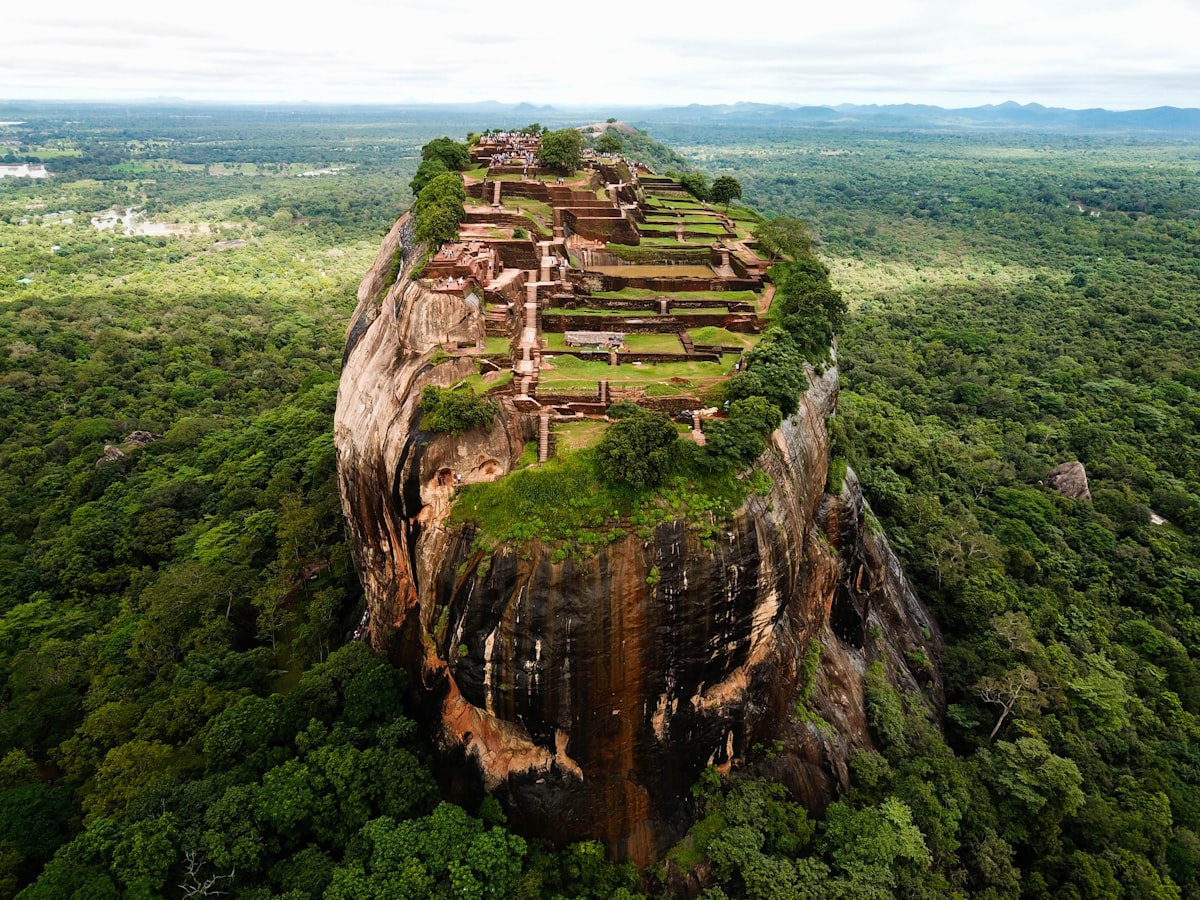
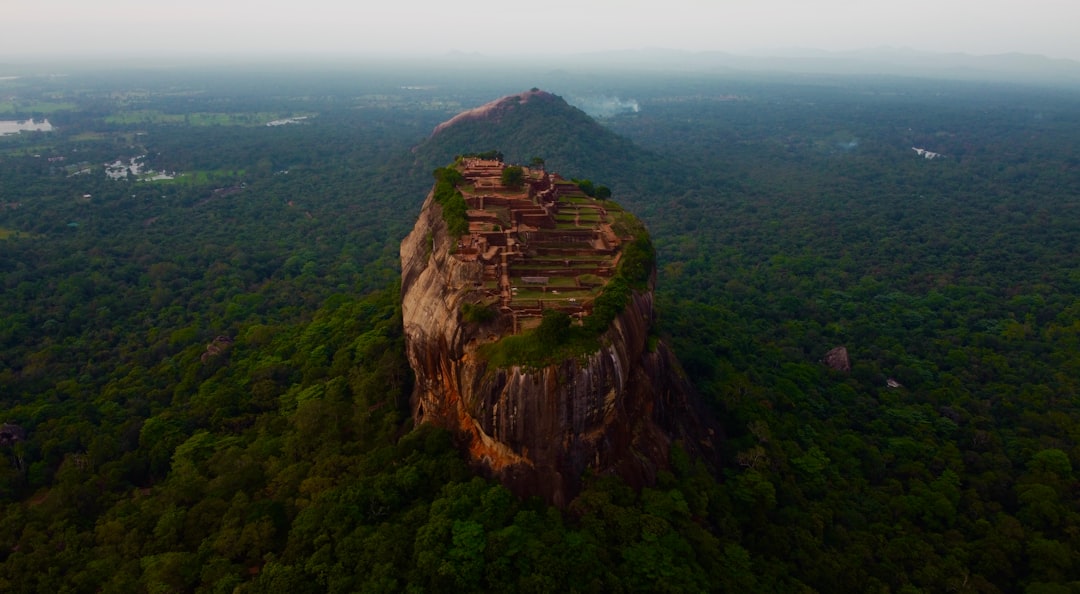
Perched atop a 90-metre granite outcrop rising dramatically from the flat dry-zone plains, Yapahuwa is one of Sri Lanka’s most visually striking yet least-visited archaeological wonders. This medieval rock fortress served as the island’s royal capital for just twelve years — from 1272 to 1284 CE — under King Bhuvanekabahu I, who retreated here to safeguard his kingdom against the might of the Pandyan Empire in South India.
What Yapahuwa lacks in the fame of Sigiriya, it more than compensates for in atmosphere. On most mornings you can wander the terraced ruins in near-solitude, listening to the wind through the jungle canopy while admiring stone carvings of extraordinary sophistication. The fortress draws serious history enthusiasts and those seeking an authentic off-the-beaten-path experience in Sri Lanka’s Cultural Triangle.
History
The rock’s strategic importance was recognised long before Bhuvanekabahu chose it as his capital. Prehistoric rock shelters and inscriptions found in the surrounding caves suggest human habitation stretching back over two millennia.
At its zenith in the late 13th century, Yapahuwa was a fully functioning royal city with a palace, moated lower city, temples, and shrines. Most significantly, it became the temporary home of the Sacred Tooth Relic of the Buddha — the holiest object in Sri Lankan Buddhism. Possession of the relic conferred political legitimacy, and its loss to the Pandyan king Arya Chakravarti in 1284 CE effectively ended Yapahuwa’s brief reign as the island’s capital.
The relic was eventually recovered and moved to Polonnaruwa, and later to its permanent home at the Temple of the Tooth in Kandy. Yapahuwa was gradually abandoned and reclaimed by the jungle, where it remained until systematic archaeological excavations began in the 20th century.
What to See
The Grand Ceremonial Staircase
The undisputed highlight of any visit is the two-tiered ornamental staircase that ascends the lower face of the rock. Flanked by carved lion figures and adorned with intricate relief panels depicting musicians, dancers, animals, and floral motifs, this staircase is widely regarded as one of the finest examples of 13th-century Sinhalese stone craftsmanship. The quality and detail of the carvings rival those of far more celebrated sites.
The Upper Shrine Pavilion
At the top of the ceremonial staircase stands a partially intact archway and pavilion that once formed the entrance to the shrine housing the Sacred Tooth Relic. The decorative stonework on the pavilion’s arched windows is exceptional. One of the ornate carved window panels was taken to India centuries ago; a replica stands in situ while the original is preserved in the Colombo National Museum.
The Rock Summit
Above the upper terrace, a rough path and cut footholds lead to the bare granite summit at 90 metres. The reward is a sweeping 360-degree panorama across the dry-zone plains, scattered jungle, and distant hills — a view that makes clear why ancient kings chose this rock for defence and prestige. On a clear day you can see for many kilometres in every direction.
The Lower City and Moats
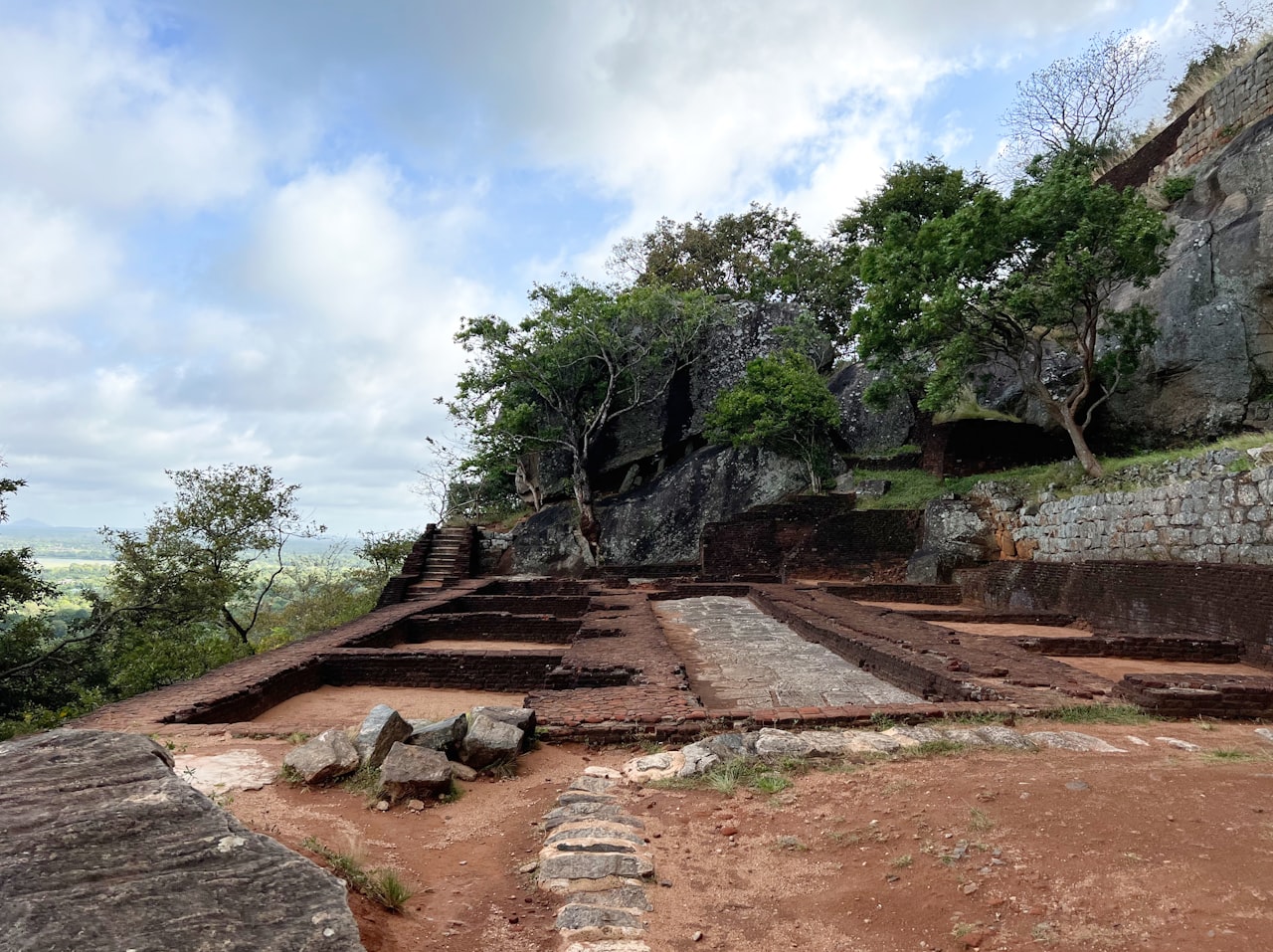
At the base of the rock, the remains of the lower city include the outline of moats, ramparts, and scattered stone foundations of buildings that once housed the royal court’s administration and residences. The peaceful surroundings and forested setting make for pleasant wandering before or after the climb.
The On-Site Museum
A small archaeological museum at the site entrance displays a well-curated collection of finds from the excavations: carved stone panels, bronze oil lamps, terracotta figurines, coins, and jewellery. The exhibits provide helpful context for understanding the site’s historical significance and the artistic traditions of the Yapahuwa period.
Tips for Visitors
- Wear proper footwear: The upper sections of the rock involve scrambling over bare granite with cut footholds. Sandals or flip-flops are unsuitable; closed-toe shoes with grip are essential.
- Visit early: Arrive at opening time to enjoy the ruins in cool morning air and avoid the midday heat. By 10 AM the exposed rock and staircase become extremely hot.
- Combine with a Cultural Triangle circuit: Yapahuwa sits roughly midway between Colombo and Anuradhapura, and about 60 km west of Sigiriya. It fits naturally into a multi-day northern heritage tour without significant detours.
- Bring water: There are no refreshment stalls beyond the entrance area. Carry at least one litre per person, especially in the dry season.
- Allow 2–3 hours: That gives you time to explore the lower ruins and museum, climb the staircase and summit, and appreciate the carvings at a leisurely pace.
- Photography: The late afternoon light (around 3–4 PM) is particularly beautiful on the carved staircase, casting the relief panels in warm golden tones.
Photo Gallery
How to Get There
By Train
LKR 300 - LKR 1,500Alight at Maho Junction. Tuk-tuks and three-wheelers are available outside the station for the short ride to Yapahuwa.
By Bus
LKR 350 - LKR 900Change at Kurunegala for buses heading toward Anuradhapura; alight at Maho. Tuk-tuks available to the site.
Private Vehicle
LKR 10,000 - LKR 16,000Easily combined with Sigiriya or Anuradhapura on a two-day cultural tour. Parking available at the site entrance.
Entrance Fees
| Visitor Type | Adult | Child |
|---|---|---|
| Sri Lankan Visitors | LKR 50 | LKR 25 |
| Foreign Visitors | $10 | $5 |